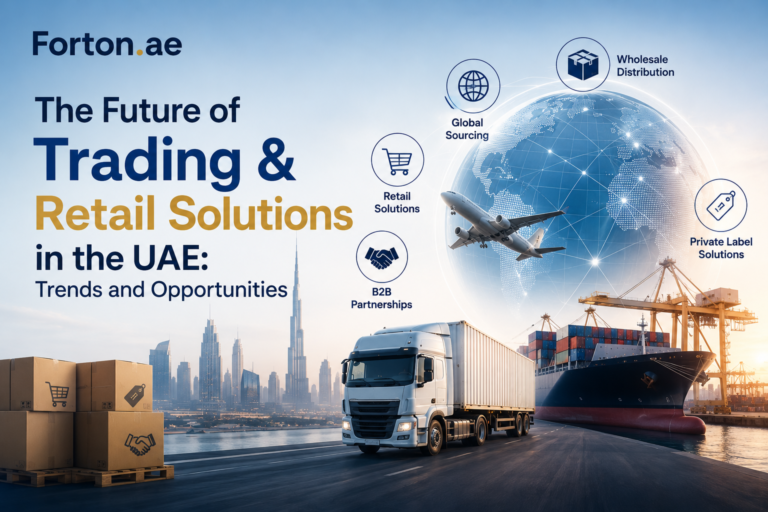
The United Arab Emirates has established itself as one of the most dynamic trade economies in the world. With its strategic location connecting Asia, Europe, and Africa, the UAE plays a vital role in global commerce. Dubai, in particular, serves as a major gateway for imports and re-exports, facilitating trade flows between international markets.
Imports are an essential component of the UAE’s economic structure. The country imports a wide range of products to support domestic consumption, industrial development, and international trading activities. Due to its advanced logistics infrastructure, world-class ports, and business-friendly policies, the UAE continues to attract suppliers and trading partners from across the globe.
Several key product categories have played a particularly important role in driving the growth of imports into the UAE. These imports support sectors such as trade, manufacturing, construction, technology, healthcare, and retail.
Overview of UAE Import Structure
The UAE’s import structure reflects its role as a global trading hub and regional distribution center. Many products imported into the country are consumed locally, while others are re-exported to markets across the Middle East, Africa, and Asia.
The UAE maintains strong trade relationships with major global suppliers including:
- China
- India
- United States
- Japan
- Turkey
These trading partners supply a diverse range of goods that support the UAE’s rapidly expanding economy.
Precious Metals and Gems
Precious metals and gemstones represent one of the largest categories of imports into the UAE. These products play a central role in the country’s thriving precious metals trading industry.
Key products in this category include:
- Gold
- Diamonds
- Precious stones
- Jewelry components
Dubai is widely recognized as a global hub for gold and diamond trading. Many of these imported materials are used in jewelry manufacturing or re-exported to international markets.
Electrical Machinery and Electronics
Electrical machinery and electronics are another major category contributing to import growth in the UAE. The country has a strong demand for advanced technology and consumer electronics.
Common imports include:
- Smartphones and mobile devices
- Computer equipment
- Consumer electronics
- Telecommunications systems
The rapid digital transformation of businesses and increasing demand for modern technology continue to drive imports in this sector.
Machinery and Industrial Equipment
Machinery and mechanical equipment are essential for the UAE’s growing infrastructure and industrial sectors. The country imports a wide range of machinery used in construction, manufacturing, and energy production.
These products include:
- Construction machinery
- Industrial manufacturing equipment
- Power generation systems
- Engineering tools
Large-scale development projects across the UAE continue to support strong demand for machinery imports.
Vehicles and Automotive Components
The UAE has one of the most active automotive markets in the Middle East. This contributes to strong import demand for vehicles and automotive parts.
Major imports in this category include:
- Passenger vehicles
- Commercial trucks
- Automotive spare parts
- Specialized transport equipment
Dubai also serves as a major re-export hub for vehicles, with many imported cars being redistributed to markets across Africa and neighboring regions.
Mineral Fuels and Energy Products
Although the UAE is a major energy producer, the country imports certain refined petroleum products and fuel-related materials to support industrial and trading activities.
These imports include:
- Refined petroleum products
- Specialized fuel products
- Petrochemical materials
Energy imports contribute to industrial operations and support the country’s growing economy.
Plastics and Chemical Products
Plastics and chemical materials are widely used in industries such as packaging, manufacturing, and construction. The UAE imports various chemical products that serve as raw materials for local industries.
These materials support sectors including:
- Packaging manufacturing
- Automotive production
- Construction materials
- Industrial processing
Growing industrial activity continues to drive demand for plastics and chemical imports.
Iron, Steel, and Construction Materials
Dubai’s ongoing infrastructure development and construction projects require large volumes of construction materials. Imports of iron and steel play an important role in supporting the UAE’s expanding urban landscape.
These materials are used in:
- Residential developments
- Commercial buildings
- Transportation infrastructure
- Industrial facilities
The construction sector remains a key driver of demand for these imports.
Food and Agricultural Products
Due to its desert climate and limited agricultural production, the UAE imports a large portion of its food supply. Food imports are essential for supporting the country’s population and hospitality industry.
Major food imports include:
- Fresh fruits and vegetables
- Dairy products
- Meat and poultry
- Grains and cereals
- Packaged food products
The UAE’s strong retail and tourism sectors contribute to consistent demand for food imports.
Pharmaceuticals and Medical Equipment
The UAE’s healthcare sector has experienced significant growth, leading to increased demand for pharmaceutical products and medical technology.
Imports in this category include:
- Medicines and pharmaceutical products
- Medical devices
- Hospital equipment
- Diagnostic tools
Investments in healthcare infrastructure continue to support growth in this sector.
Role of Imports in Re-Export Trade
One of the unique features of the UAE’s import structure is its strong re-export activity. Many goods imported into the UAE are redistributed to markets across the Middle East, Africa, and Asia.
Dubai’s advanced ports, free zones, and logistics infrastructure allow businesses to store imported goods and re-export them efficiently.
This system has helped the UAE become one of the most important global distribution hubs.
Future Outlook for UAE Imports
The UAE’s imports are expected to continue expanding as the country strengthens its position as a global trade hub. Several industries are likely to drive future import demand.
Emerging sectors include:
- Advanced electronics and technology
- Renewable energy equipment
- Electric vehicles and mobility solutions
- Healthcare technology
- Industrial automation systems
Dubai’s continued investment in logistics infrastructure and international trade partnerships will further enhance the UAE’s role in global commerce.
Conclusion
The UAE’s strong import growth reflects its role as one of the world’s most important trading economies. A diverse range of imported products supports domestic industries, consumer markets, and international re-export activities.
Key product categories driving import growth include precious metals, electronics, machinery, vehicles, fuels, construction materials, and food products.
Dubai’s advanced logistics infrastructure, strategic location, and business-friendly environment continue to strengthen the UAE’s position as a global gateway for trade and commerce.

About the Author