March 25, 2026
Future Outlook for UAE Goods Trading
The United Arab Emirates has firmly established itself as one of the world’s most influential…
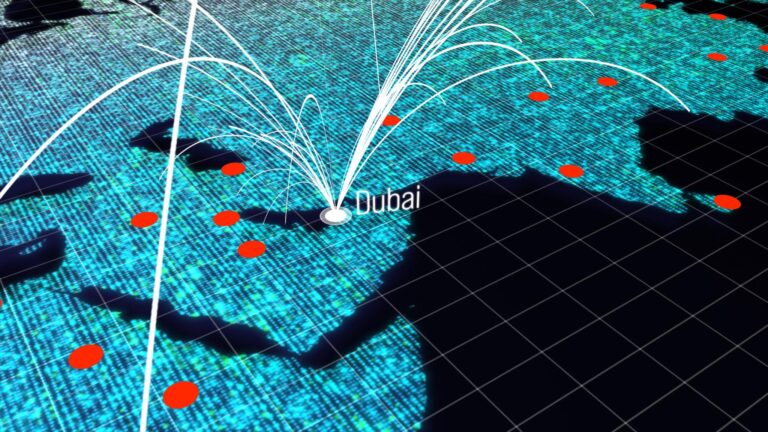
Dubai has transformed from a small desert trading settlement into one of the world’s most influential commercial centers. Today, the city is widely recognized as the primary trade hub of the Middle East, connecting businesses and markets across Asia, Europe, and Africa. Its success as a global logistics and commerce hub is driven by strategic geographic positioning, world-class infrastructure, pro-business policies, and a highly developed trade ecosystem.
Unlike many economies in the region that rely heavily on natural resources, Dubai has focused on diversifying its economy. Trade, logistics, tourism, aviation, finance, and technology have become major pillars of economic growth. Among these sectors, international trade plays a particularly important role.
Dubai’s role as a global re-export center has allowed goods manufactured around the world to be redistributed across the Middle East, Africa, and Central Asia. As of early 2023, the emirate continues to strengthen its position as one of the most important commercial gateways in the global economy.
Dubai’s trading history dates back several centuries. Long before the discovery of oil, the city served as a regional trading port where merchants exchanged goods such as pearls, spices, textiles, and precious metals. Traders from India, Persia, and East Africa frequently visited Dubai’s ports, creating a vibrant commercial environment.
In the early twentieth century, Dubai’s rulers introduced policies designed to encourage international trade. Low taxes, open trade policies, and a welcoming environment for foreign merchants helped attract traders from across the region.
When oil was discovered in the UAE during the 1960s, Dubai adopted a long-term strategy that focused on economic diversification. Instead of relying solely on oil revenues, the emirate invested heavily in trade infrastructure, including ports, airports, and logistics facilities.
One of the most significant developments was the construction of Jebel Ali Port in 1979, which later became the largest and busiest seaport in the Middle East. This investment laid the foundation for Dubai’s transformation into a global trade hub.
Dubai’s geographic location plays a crucial role in its success as a global trade center. Situated between Asia, Europe, and Africa, the city occupies a strategic position that allows businesses to access multiple markets efficiently.
From Dubai, companies can reach a large portion of the world’s population within an eight-hour flight. This advantage allows international companies to manage regional distribution networks from a central location.
Goods manufactured in Asia can be shipped to Dubai and redistributed to markets in Africa and the Middle East. Similarly, products from Europe and North America can enter regional markets through Dubai’s ports and logistics facilities.
This strategic positioning has made Dubai a preferred location for multinational corporations seeking to expand into emerging markets.
Dubai’s advanced port infrastructure is a major factor behind its success as a global trade hub. The emirate has invested heavily in maritime facilities designed to handle large volumes of international cargo.
Jebel Ali Port is the largest seaport in the Middle East and one of the busiest container ports in the world. The port serves as a major gateway for international shipping and connects to hundreds of global ports.
Millions of containers pass through Jebel Ali Port each year, supporting trade flows between global manufacturing centers and regional consumer markets.
Free trade zones have played a crucial role in Dubai’s rise as a global trade hub. These zones provide businesses with a range of incentives that encourage international investment and trade.
Companies operating within free zones benefit from:
The most prominent free zone in Dubai is Jebel Ali Free Zone (JAFZA), which hosts thousands of international companies across industries such as logistics, manufacturing, electronics, automotive, and consumer goods.
These free zones allow businesses to establish regional headquarters and manage global supply chains efficiently.
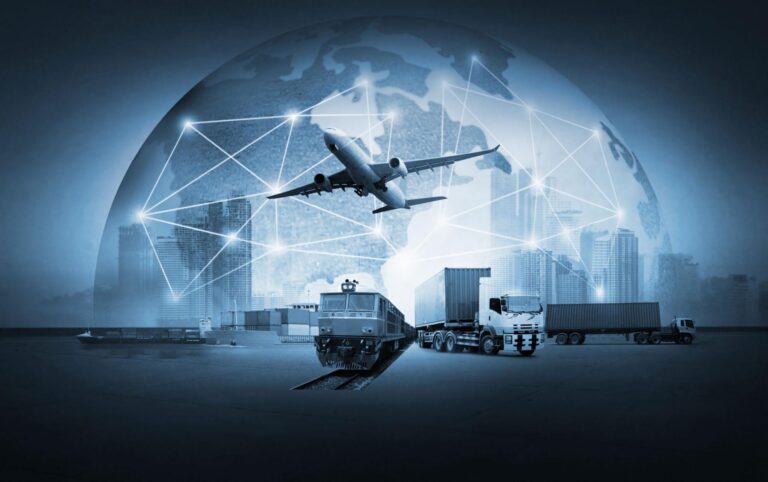
Dubai’s highly developed logistics infrastructure is another major factor behind its role as a trade hub. The city offers integrated transportation networks that connect air, sea, and land logistics systems.
Key infrastructure includes:
This integrated logistics network allows businesses to transport goods quickly and efficiently across international markets.
One of the defining characteristics of Dubai’s trade economy is its role as a re-export hub. Re-export trade involves importing goods into a country and then exporting them again to another destination without significant modification.
Dubai’s infrastructure and favorable regulations make it an ideal location for this type of trade.
Products commonly re-exported through Dubai include:
These goods are typically imported from major manufacturing countries and redistributed to markets across Africa, the Middle East, and Central Asia.
Dubai’s government has implemented numerous policies designed to encourage international trade and investment.
These policies include:
The government’s commitment to creating a supportive business environment has helped attract multinational corporations and global investors.
Dubai maintains extensive trade relationships with countries around the world. The UAE imports goods from major manufacturing economies such as China, India, Germany, and the United States.
At the same time, Dubai exports goods to markets across the Middle East, Africa, and Asia.
The presence of international banks, logistics companies, and multinational corporations further strengthens Dubai’s position as a global commercial center.
Trade plays a central role in Dubai’s economy. Ports, logistics services, and free zones contribute significantly to economic growth.
Trade-related activities support numerous sectors including:
These industries collectively generate employment opportunities and help drive economic development across the UAE.
Dubai has become an essential link in global supply chains. Many multinational companies use the city as a regional distribution hub.
For example:
This role in supply chain management further strengthens Dubai’s importance in global trade.
Dubai continues to invest heavily in infrastructure, technology, and logistics innovation. These investments are expected to strengthen the emirate’s position as a global trade center.
Future developments include:
These initiatives will support growing global trade volumes and help Dubai maintain its role as a leading commercial hub.
Dubai’s emergence as the Middle East’s primary trade hub is the result of decades of strategic planning, infrastructure investment, and progressive economic policies. Its geographic location, world-class logistics networks, and business-friendly regulations have created an environment that supports global commerce.
Ports such as Jebel Ali, along with numerous free trade zones and advanced transportation systems, enable businesses to move goods efficiently across international markets.
As global trade continues to evolve, Dubai’s commitment to innovation and economic diversification ensures that the city will remain a key gateway for international commerce in the years ahead.
The United Arab Emirates has firmly established itself as one of the world’s most influential…
Dubai has established itself as one of the most influential trade centers in the world,…
The United Arab Emirates has achieved a historic milestone as its non-oil trade surpasses the…