July 17, 2024
Freight Forwarding Trends in UAE
The United Arab Emirates has become one of the most important logistics and trade centers…
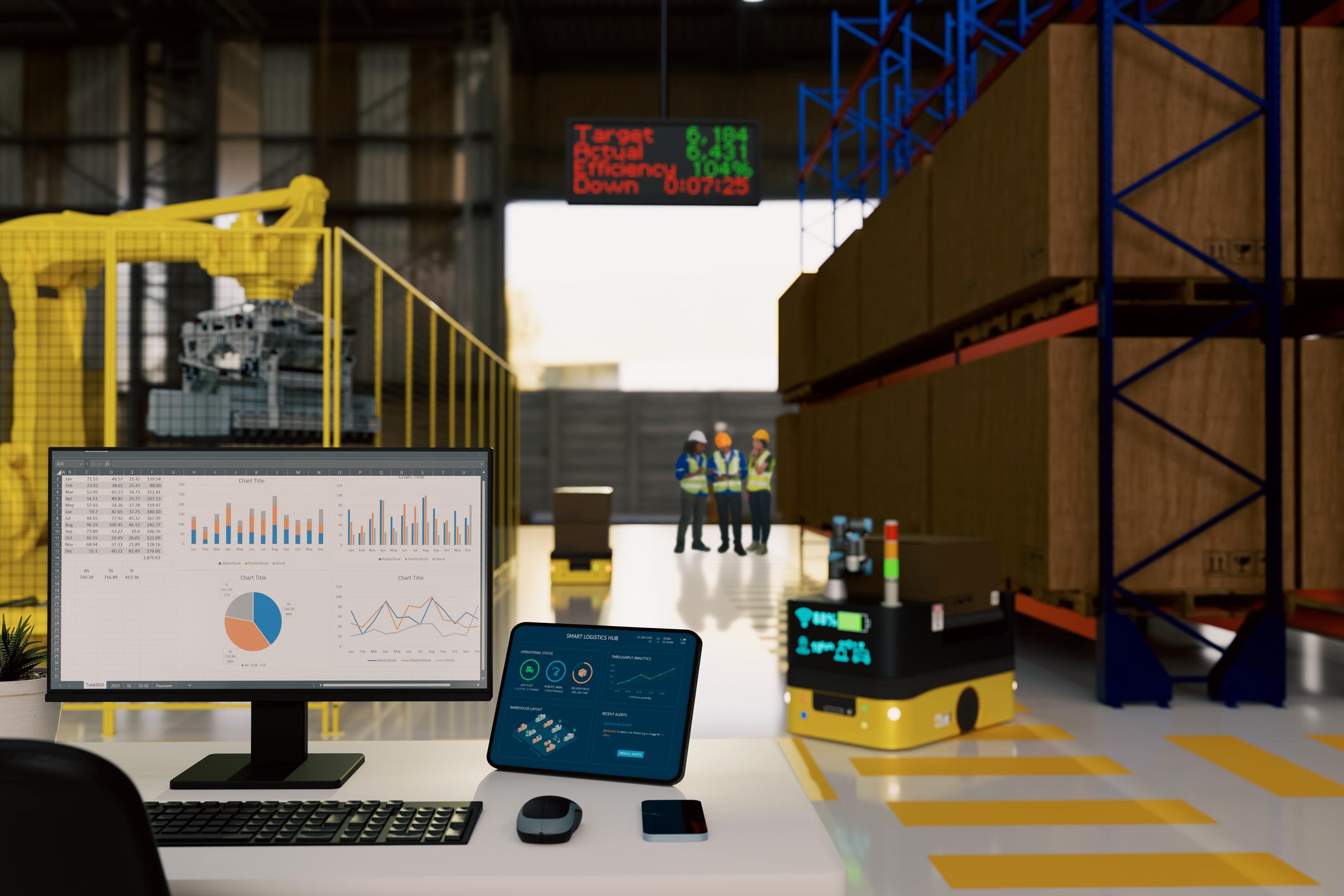
Dubai has become one of the most advanced logistics hubs in the world, and warehouse automation is playing a critical role in transforming how goods are stored, processed, and distributed. With the rapid growth of e-commerce, international trade, and supply chain complexity, companies operating in Dubai are increasingly adopting automated technologies to improve efficiency and scalability.
Warehouse automation refers to the use of robotics, artificial intelligence, automated storage systems, and digital management platforms to streamline warehouse operations. These technologies enable companies to reduce operational costs, increase productivity, and manage inventory more accurately.
In Dubai, automation has become a strategic priority for logistics providers, retailers, and manufacturers seeking to handle rising order volumes and meet customer expectations for faster deliveries. As global supply chains continue to evolve, automated warehouses are becoming essential components of modern logistics operations.
This article explores the key warehouse automation trends shaping Dubai’s logistics sector and the technologies that are transforming warehouse operations across the region.
The warehouse automation market in the UAE has experienced rapid growth over the past few years. Increasing demand for efficient logistics operations and the expansion of e-commerce have driven companies to invest in automated systems and smart technologies.
The UAE warehouse automation market is projected to grow significantly, reaching more than US$521 million by 2030 with an expected compound annual growth rate of around 16% between 2024 and 2030. :contentReference[oaicite:0]{index=0}
This strong growth reflects the increasing importance of automation in logistics and supply chain operations. Businesses are adopting advanced technologies to improve operational efficiency, reduce labor costs, and manage complex inventory systems.
Dubai and Abu Dhabi remain the primary centers for warehouse automation innovation due to their strong logistics infrastructure and high concentration of international businesses.
Robotics has become one of the most influential technologies transforming warehouse operations in Dubai. Automated robots are now widely used to handle repetitive tasks such as picking, packing, sorting, and transporting goods within warehouses.
Robotic systems can operate continuously without fatigue, allowing companies to process orders faster and reduce human error in inventory management. These robots help warehouses handle large volumes of goods efficiently while maintaining high accuracy levels. :contentReference[oaicite:1]{index=1}
Robotic automation also improves workplace safety by performing heavy lifting and potentially hazardous tasks that would otherwise be carried out by human workers.
As technology continues to advance, robots equipped with artificial intelligence are becoming increasingly capable of adapting to complex warehouse environments.
Autonomous Mobile Robots, commonly known as AMRs, are becoming increasingly popular in Dubai’s warehouses. These robots navigate warehouse floors independently, transporting goods between storage areas, packing stations, and shipping zones.
Unlike traditional automated guided vehicles that follow fixed paths, AMRs use sensors, cameras, and advanced navigation systems to move freely through warehouse environments.
This flexibility allows warehouses to optimize storage layouts and increase operational efficiency without major infrastructure changes.
AMRs are particularly valuable in large distribution centers where they help accelerate order fulfillment and reduce operational bottlenecks.
Automated Storage and Retrieval Systems are another key automation trend in Dubai’s logistics sector. These systems use robotic cranes, conveyors, and computer-controlled mechanisms to store and retrieve products automatically.
AS/RS technology allows warehouses to maximize storage capacity by utilizing vertical space more efficiently. This is particularly important in urban logistics hubs like Dubai where land availability can be limited.
Automated storage systems also improve inventory accuracy by integrating with warehouse management software that tracks every movement of goods in real time.
For companies managing large product catalogs, these systems significantly reduce picking times and improve overall warehouse productivity.
Artificial intelligence is increasingly being integrated into warehouse automation systems across Dubai. AI-powered algorithms analyze large volumes of data to optimize inventory placement, predict demand patterns, and improve order fulfillment efficiency.
Machine learning technologies can identify patterns in customer demand and adjust warehouse operations accordingly. This allows companies to anticipate supply chain disruptions and respond quickly to changing market conditions.
AI-driven systems also enable predictive maintenance of warehouse equipment, reducing downtime and improving operational reliability.
By combining AI with automation technologies, warehouses can achieve higher levels of efficiency and operational intelligence.
The Internet of Things (IoT) is another key technology driving warehouse automation in Dubai. IoT devices such as sensors, scanners, and connected tracking systems allow warehouse operators to monitor inventory, equipment, and environmental conditions in real time.
These devices collect data from multiple sources across the warehouse and transmit it to centralized management systems.
Real-time monitoring improves visibility across supply chains and allows managers to detect operational issues before they escalate into major problems.
IoT-enabled warehouses are often referred to as “smart warehouses” because they integrate digital technologies with physical infrastructure to create highly efficient logistics environments.
Automated sorting systems are becoming increasingly common in Dubai’s distribution centers. These systems use conveyor belts, scanning technologies, and robotic mechanisms to sort packages and direct them to the correct shipping destinations.
Sorting automation is particularly important for e-commerce companies that process thousands of small orders every day.
By automating the sorting process, warehouses can significantly reduce processing times and improve delivery accuracy.
Automated sorting systems also enable logistics companies to scale operations quickly during peak demand periods such as shopping festivals and holiday seasons.
Warehouse Management Systems are essential components of modern automated warehouses. These software platforms coordinate and monitor all warehouse operations, including inventory tracking, order processing, and workforce management.
WMS platforms integrate with automated equipment such as robots, conveyors, and storage systems to ensure smooth coordination between digital and physical processes.
In Dubai, many logistics companies are adopting cloud-based WMS solutions that provide real-time visibility across supply chains.
These systems enable companies to analyze operational performance and identify opportunities for further automation.
The rapid growth of e-commerce has been one of the main drivers behind warehouse automation in Dubai. Online retailers require efficient logistics operations to handle large volumes of orders and deliver products quickly to customers.
The UAE warehouse automation market is valued at around USD 1.2 billion, with much of this growth driven by expanding e-commerce and retail sectors. :contentReference[oaicite:2]{index=2}
As consumer expectations for faster delivery continue to rise, companies are investing heavily in automated fulfillment centers to meet demand.
Automation allows warehouses to process thousands of orders per day with minimal delays.
Sustainability is becoming an important consideration in warehouse automation strategies. Automated systems can help reduce energy consumption by optimizing lighting, equipment usage, and operational schedules.
Smart warehouse technologies can operate during off-peak energy hours, reducing overall electricity consumption and operating costs.
Many automated warehouses in Dubai are also integrating energy-efficient building designs and renewable energy sources such as solar power.
These initiatives support the UAE’s broader sustainability goals while improving operational efficiency.
Despite its many advantages, warehouse automation also presents certain challenges. The initial investment required for automation technologies can be significant, particularly for small and medium-sized businesses.
Companies must also train employees to operate and maintain automated systems effectively.
Integration with existing supply chain systems can sometimes be complex and requires careful planning.
However, many businesses find that the long-term benefits of automation outweigh these challenges due to improved efficiency and reduced operational costs.
The future of warehouse automation in Dubai looks highly promising. As global trade continues to expand and supply chains become more complex, companies will increasingly rely on automated technologies to remain competitive.
Advancements in robotics, artificial intelligence, and digital logistics platforms are expected to drive further innovation in warehouse operations.
Industry forecasts suggest that automation will continue to transform warehouses into highly intelligent logistics hubs capable of processing massive volumes of goods with minimal human intervention.
Dubai’s strong focus on technology, smart infrastructure, and logistics innovation positions the city as a leader in warehouse automation across the Middle East.
Warehouse automation is reshaping the logistics landscape in Dubai. From robotics and artificial intelligence to smart inventory systems and automated sorting technologies, warehouses are becoming increasingly efficient and technologically advanced.
These innovations are enabling businesses to handle growing trade volumes, improve order fulfillment speeds, and reduce operational costs.
As the UAE continues to invest in advanced logistics infrastructure and digital transformation, warehouse automation will play a central role in supporting the region’s expanding global trade ecosystem.
For logistics providers, retailers, and manufacturers operating in Dubai, embracing warehouse automation is no longer just an option—it is becoming a strategic necessity for future growth and competitiveness.
The United Arab Emirates has become one of the most important logistics and trade centers…
The global trade logistics industry is undergoing a major technological transformation, and artificial intelligence (AI)…
Global supply chains have undergone significant transformation in recent years. Rapid technological advancements, shifting geopolitical…