March 25, 2026
Future Outlook for UAE Goods Trading
The United Arab Emirates has firmly established itself as one of the world’s most influential…
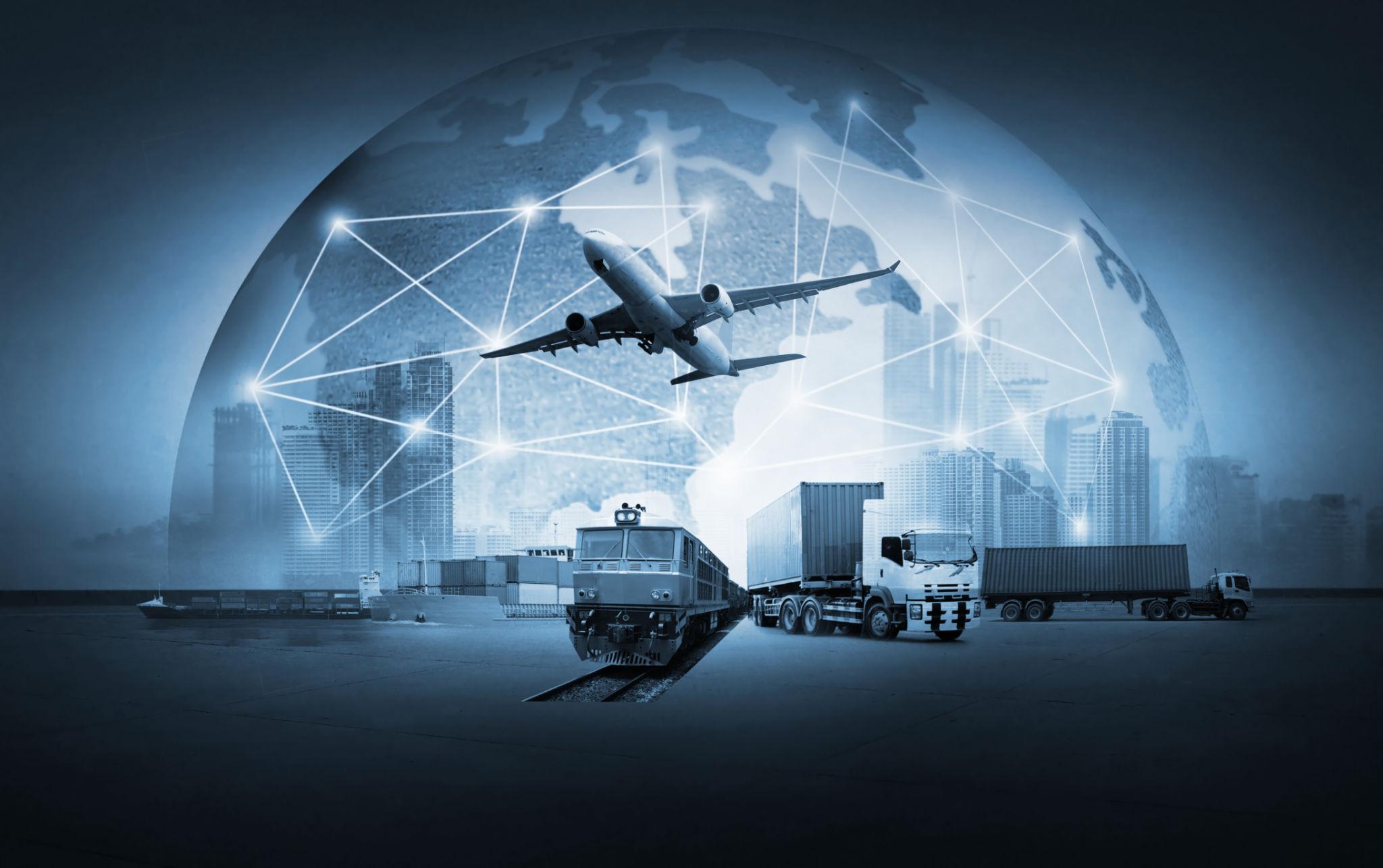
The United Arab Emirates has achieved a historic milestone as its non-oil trade surpasses the remarkable value of $1 trillion. This achievement reflects the country’s successful economic diversification strategy and its growing role as a global center for commerce, logistics, and international trade.
Over the past decade, the UAE has focused on expanding non-oil sectors including logistics, manufacturing, technology, finance, tourism, and international trading. These industries have significantly strengthened the nation’s economy while creating new opportunities for businesses operating across global markets.
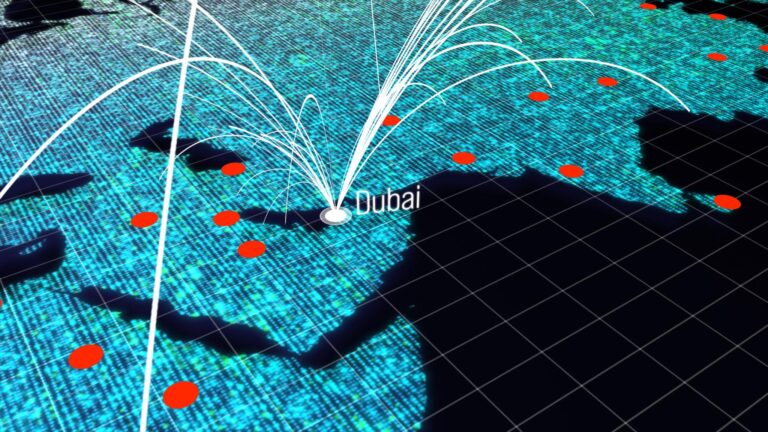
Dubai plays a central role in driving this trade growth. With world-class ports, global aviation networks, modern logistics zones, and a highly supportive business environment, the emirate continues to connect international markets across Asia, Europe, Africa, and the Middle East.
This milestone demonstrates the UAE’s commitment to building a diversified and resilient economy while reinforcing its position as one of the most important global trade hubs.
The UAE’s economic diversification strategy has significantly expanded non-oil industries. Logistics, manufacturing, financial services, tourism, and technology sectors have all contributed to the rapid growth of non-oil trade.
Businesses operating in these sectors continue to expand their international presence through exports, imports, and re-export operations.
Dubai’s strong commercial ecosystem allows companies to connect with global markets efficiently.
This diversification has created a balanced and dynamic economy.
Dubai has established itself as one of the most influential global trading centers. Its strategic location between major international markets allows businesses to access multiple regions within short transit times.
The city’s ports, airports, and logistics facilities support large volumes of global trade.
Companies can manage import, export, and distribution operations from a single location.
This infrastructure continues to strengthen Dubai’s leadership in international commerce.
Re-export trade has been a major contributor to the UAE’s non-oil trade growth. Businesses import goods from global manufacturing centers and distribute them across regional markets.
Dubai’s logistics infrastructure supports efficient redistribution of products to the Middle East, Africa, South Asia, and beyond.
This model allows companies to serve multiple markets from a central hub.
Re-export trade continues to expand the UAE’s global trade influence.
The UAE has strengthened its global trade network through partnerships with countries across Asia, Europe, Africa, and the Americas. These economic relationships support cross-border trade, investment, and supply chain cooperation.
Trade agreements and economic partnerships continue to improve market access for UAE businesses.
Companies can collaborate with international suppliers and distributors.
These partnerships support long-term trade growth.
One of the key drivers of the UAE’s non-oil trade success is its advanced logistics infrastructure. Modern ports, airports, and logistics parks allow businesses to move goods quickly and efficiently across international markets.
Dubai’s integrated logistics ecosystem connects maritime, air, and land transportation networks.
This connectivity allows businesses to manage global supply chains effectively.
Strong infrastructure continues to support expanding trade volumes.
Free zones across the UAE play a vital role in supporting international trade. These zones provide modern infrastructure, efficient licensing procedures, and strong logistics connectivity.
Many multinational companies have established regional headquarters and distribution centers within these zones.
Businesses can import goods, process products, and export them to global markets.
Free zones continue to strengthen the UAE’s trade ecosystem.
Digital transformation is also contributing to the growth of non-oil trade in the UAE. Smart customs systems, electronic documentation platforms, and digital supply chain tools are improving trade efficiency.
Businesses can manage shipments, documentation, and financial transactions electronically.
Automation reduces administrative processes and improves accuracy.
These technologies support faster global trade operations.
The expansion of the UAE’s non-oil trade creates significant opportunities for global businesses. Companies can use the UAE as a gateway to access regional markets across the Middle East, Africa, and South Asia.
International companies often establish regional distribution centers in Dubai.
The country’s strong connectivity allows businesses to manage global operations efficiently.
This environment continues to attract multinational corporations and investors.
Small and medium-sized enterprises play an increasingly important role in the UAE’s growing trade ecosystem. Government initiatives support entrepreneurship, innovation, and international trade participation.
SMEs are expanding their global reach through exports and cross-border partnerships.
Access to logistics infrastructure and digital trade platforms allows smaller companies to compete internationally.
This growth strengthens economic diversification.
The future of the UAE’s non-oil trade remains highly promising as the country continues to invest in infrastructure, innovation, and global trade partnerships.
Dubai’s logistics ecosystem will continue to connect international markets efficiently.
Businesses operating in the UAE will benefit from expanding trade opportunities and global connectivity.
The country’s forward-looking economic strategy ensures sustainable trade growth.
The UAE’s achievement of surpassing $1 trillion in non-oil trade highlights the success of its economic diversification strategy and global trade leadership.
Dubai’s strategic location, advanced infrastructure, and business-friendly environment have positioned the UAE as a powerful hub for international commerce.
Businesses operating in the country benefit from strong connectivity, efficient logistics networks, and expanding global trade partnerships.
As the UAE continues to strengthen its role in global commerce, non-oil trade will remain a key driver of economic growth and international business opportunities.
The United Arab Emirates has firmly established itself as one of the world’s most influential…
Dubai has established itself as one of the most influential trade centers in the world,…
Dubai has established itself as one of the world’s most influential trade hubs, connecting businesses…