March 25, 2026
Future Outlook for UAE Goods Trading
The United Arab Emirates has firmly established itself as one of the world’s most influential…
The United Arab Emirates has experienced remarkable growth in non-oil trade over the past decade. While the country has historically been known for its energy sector, economic diversification strategies have successfully transformed the UAE into one of the world’s leading global trade hubs.
Dubai has played a central role in driving this transformation by developing advanced logistics infrastructure, expanding global trade partnerships, and supporting business-friendly policies that encourage international commerce.
Today, non-oil trade represents a major component of the UAE’s economy, highlighting the country’s successful shift toward diversified economic growth.
Non-oil trade refers to the exchange of goods and services that are not related to petroleum or energy exports. This includes a wide range of industries such as manufacturing, technology, consumer goods, logistics, and food products.
The UAE has focused heavily on expanding these sectors in order to build a more resilient and diversified economy.
Through strategic investments in infrastructure and global connectivity, the country has created a strong platform for non-oil trade growth.
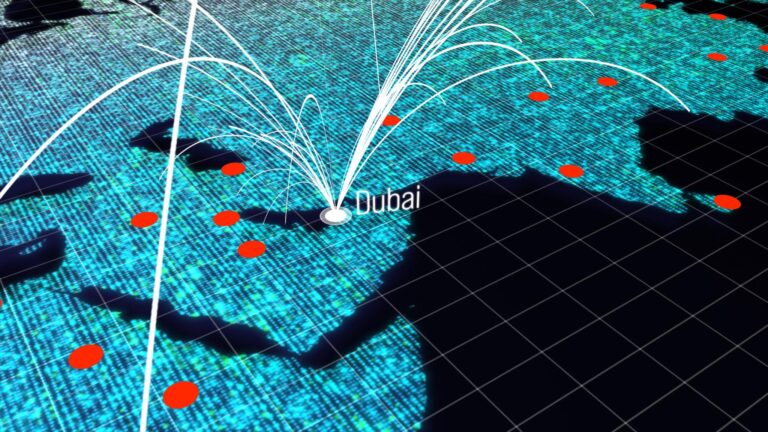
Dubai has emerged as one of the world’s most important trading centers. The emirate’s modern ports, airports, and logistics networks enable businesses to import, export, and re-export goods efficiently across global markets.
Key infrastructure supporting trade includes:
These assets have positioned Dubai as a gateway connecting international markets.
Re-export trade has been a major contributor to the UAE’s non-oil trade growth. Goods imported into the UAE are often redistributed to other markets across the Middle East, Africa, and South Asia.
Dubai’s logistics capabilities allow businesses to store, process, and distribute products efficiently.
This model enables companies to use Dubai as a central distribution hub for regional markets.
Several industries have contributed significantly to the growth of non-oil trade in the UAE.
The diversity of these industries reflects the UAE’s expanding role in global commerce.
The UAE’s free zones have been instrumental in attracting international companies involved in trading, manufacturing, and logistics.
Free zones offer businesses access to modern infrastructure and efficient regulatory frameworks.
Major free zones supporting non-oil trade include:
These zones host thousands of companies engaged in global trade activities.
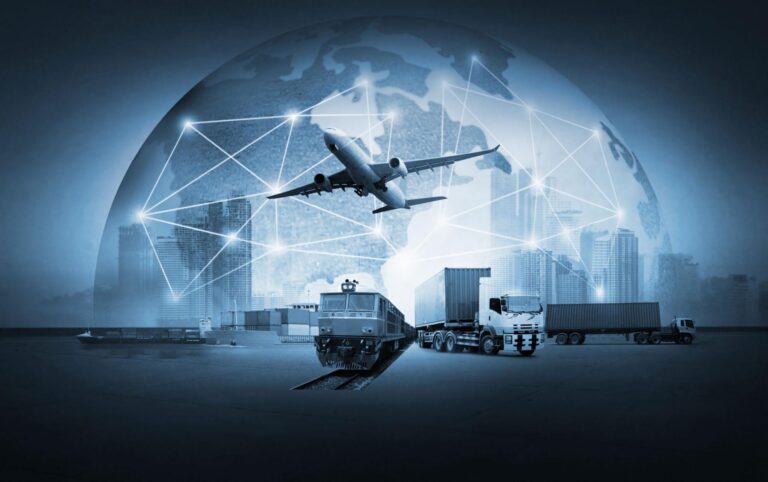
Technology is playing a growing role in supporting non-oil trade growth. Digital trade platforms, automated logistics systems, and smart ports help businesses manage supply chains more efficiently.
Companies can track shipments in real time, manage inventory digitally, and streamline customs procedures through advanced digital tools.
These innovations strengthen the UAE’s competitiveness in international trade.
The UAE maintains strong trade relationships with countries around the world. Major trading partners include China, India, European countries, and emerging markets across Africa.
These partnerships have helped expand the UAE’s role as a global trading hub.
Dubai’s connectivity allows businesses to access international markets quickly and efficiently.
The UAE continues to invest in infrastructure, trade facilitation, and digital technologies that support economic diversification. As global demand for goods and services continues to grow, non-oil trade is expected to play an even larger role in the UAE’s economy.
Dubai’s strategic location and advanced logistics capabilities will continue to attract international businesses seeking access to regional markets.
The rapid growth of non-oil trade demonstrates the success of the UAE’s economic diversification strategy. By investing in logistics infrastructure, global connectivity, and innovative trade systems, the country has built one of the world’s most dynamic trading environments.
Dubai’s leadership in global commerce continues to strengthen the UAE’s position as a gateway for international trade.
As economic diversification progresses, non-oil trade will remain a key driver of sustainable growth in the UAE.
The United Arab Emirates has firmly established itself as one of the world’s most influential…
Dubai has established itself as one of the most influential trade centers in the world,…
The United Arab Emirates has achieved a historic milestone as its non-oil trade surpasses the…