February 11, 2026
Expanding GCC-Asia Trade Routes
Trade between the Gulf Cooperation Council (GCC) countries and Asia has grown significantly in recent…
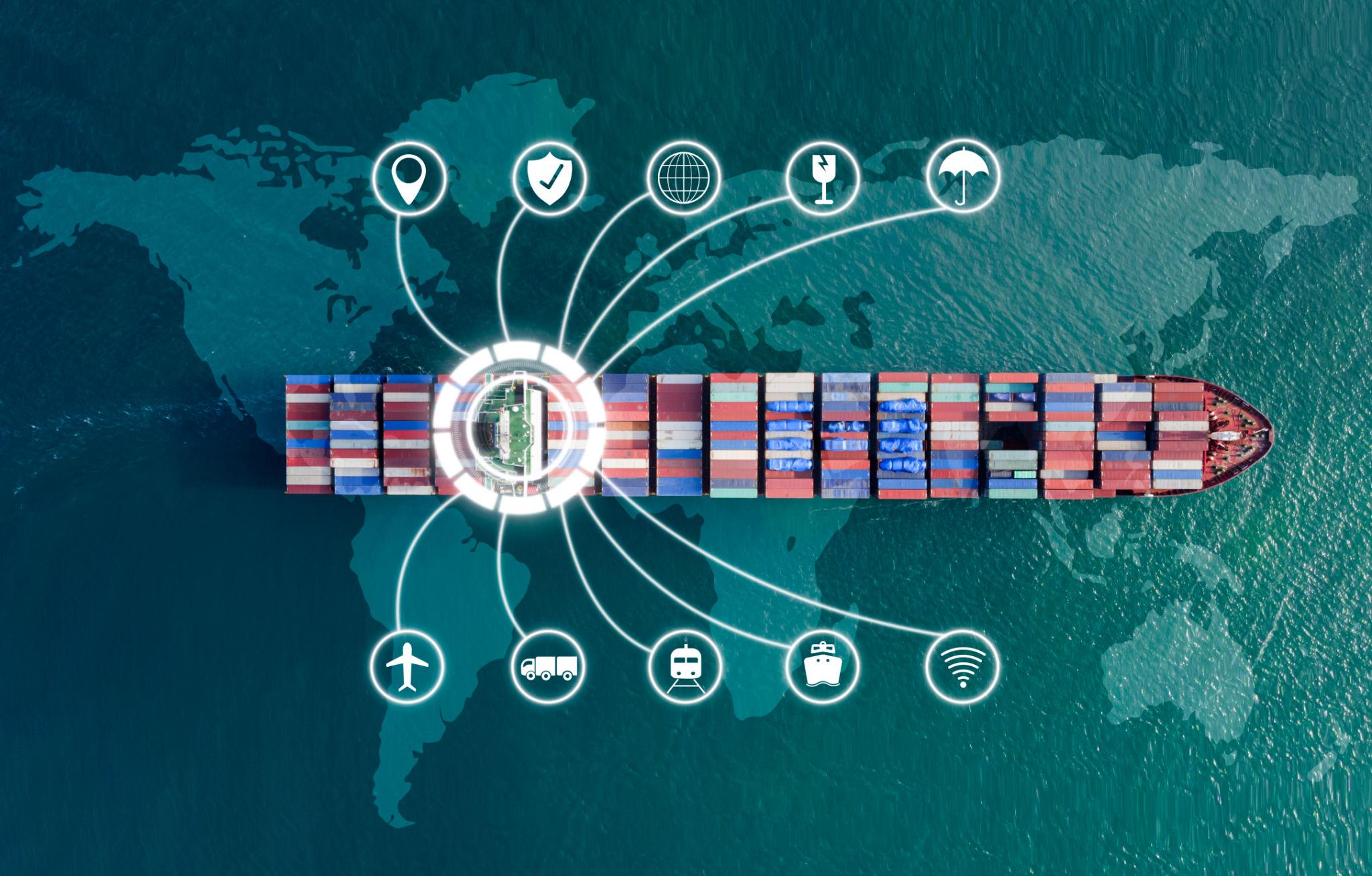
The United Arab Emirates continues to strengthen its position as one of the world’s most influential trading nations by expanding its network of global trade partnerships. Through strategic economic agreements, international cooperation initiatives, and strong diplomatic relationships, the UAE is creating new opportunities for businesses engaged in global commerce.
Dubai plays a central role in this expansion as a major international trade hub connecting markets across Asia, Europe, Africa, and the Middle East. With world-class ports, global aviation networks, and advanced logistics infrastructure, the emirate provides businesses with seamless access to international markets.
By developing stronger economic partnerships with countries around the world, the UAE is enhancing its global trade ecosystem while supporting economic diversification and sustainable growth.
This article explores how the UAE is expanding its global trade partnerships and the opportunities these developments create for businesses and investors.
Bilateral trade agreements are a key component of the UAE’s strategy to expand global commerce. These agreements promote economic cooperation between countries and create favorable conditions for cross-border trade.
Through these partnerships, businesses gain improved access to international markets, reduced trade barriers, and stronger investment opportunities.
Trade agreements also simplify customs procedures and encourage collaboration between industries.
This approach strengthens the UAE’s role as a global trading hub.
The UAE has actively pursued Comprehensive Economic Partnership Agreements (CEPA) with key international partners. These agreements focus on reducing tariffs, improving trade efficiency, and promoting economic collaboration.
CEPA agreements cover a wide range of sectors including manufacturing, logistics, digital trade, and services.
Businesses operating in the UAE benefit from expanded export opportunities and improved market access.
These agreements play a major role in supporting non-oil trade growth.
Dubai’s strategic location makes it an ideal gateway for global trade partnerships. Positioned between major economic regions, the city allows businesses to connect with international markets efficiently.
The emirate’s logistics infrastructure supports the rapid movement of goods through maritime, air, and land transportation networks.
Companies based in Dubai can manage regional and international distribution from a single central hub.
This connectivity strengthens global supply chains.
Emerging markets are becoming an important focus for the UAE’s global trade strategy. Countries across Africa, South Asia, and Southeast Asia are experiencing strong economic growth and increasing demand for imported goods.
The UAE is expanding trade partnerships with these regions to support mutual economic development.
Businesses in Dubai are well positioned to supply goods and services to these rapidly growing markets.
Strong logistics connectivity enables efficient trade operations.
Free zones across the UAE play an important role in supporting international trade partnerships. These zones provide businesses with modern infrastructure and efficient regulatory frameworks designed to facilitate global commerce.
Many multinational companies establish regional headquarters within UAE free zones.
These companies use the UAE as a base for managing operations across multiple international markets.
Free zones strengthen the country’s global business ecosystem.
Infrastructure development continues to support the UAE’s expanding global trade partnerships. Investments in ports, airports, logistics hubs, and transportation networks enhance the country’s ability to handle large volumes of international trade.
Facilities such as Jebel Ali Port and major cargo airports provide efficient cargo handling capabilities.
Warehousing and distribution centers support supply chain management and regional logistics operations.
Modern infrastructure ensures smooth international trade flows.
Technology plays a major role in strengthening global trade partnerships. Digital trade platforms allow businesses to manage documentation, customs procedures, and logistics coordination electronically.
Automation and data analytics improve supply chain efficiency and transparency.
Businesses can monitor shipments and manage trade operations in real time.
Digital innovation supports faster and more reliable international commerce.
Expanding global trade partnerships create significant opportunities for businesses operating in the UAE. Companies can explore new export markets, develop international supply chain networks, and build partnerships with global distributors.
Entrepreneurs and multinational corporations alike benefit from improved access to global markets.
Dubai’s strong connectivity and business-friendly environment support international expansion.
These opportunities contribute to sustained economic growth.
The expansion of global trade partnerships aligns with the UAE’s broader strategy of economic diversification. By strengthening trade relationships across multiple sectors, the country is reducing reliance on traditional industries.
Industries such as technology, logistics, renewable energy, and manufacturing are experiencing strong growth.
International partnerships encourage innovation and investment.
This diversified approach supports long-term economic stability.
The UAE’s commitment to expanding international trade partnerships will continue to drive economic growth in the coming years. Ongoing negotiations with global partners are expected to create new opportunities for businesses and investors.
Dubai will remain a key center for global commerce due to its advanced infrastructure and strategic location.
Businesses that leverage these partnerships can strengthen their global presence.
The UAE will continue to play a leading role in connecting international markets.
The UAE’s expansion of global trade partnerships demonstrates its commitment to strengthening international commerce and economic collaboration. Through trade agreements, infrastructure investment, and digital innovation, the country continues to enhance its position as a leading global trade hub.
Dubai’s strategic location and advanced logistics systems provide businesses with efficient access to international markets.
Companies operating in the UAE benefit from strong trade networks, supportive policies, and expanding global partnerships.
As global commerce continues to evolve, the UAE will remain a powerful gateway connecting businesses and markets around the world.
Trade between the Gulf Cooperation Council (GCC) countries and Asia has grown significantly in recent…
The economic relationship between the United Arab Emirates and Vietnam has grown steadily over the…

The United Arab Emirates continues to expand its global trade network through new economic and…