November 26, 2025
Distribution Business Opportunities in UAE
The United Arab Emirates has developed into one of the most influential commercial hubs in…
Technology is rapidly transforming global trade operations, enabling businesses to manage supply chains more efficiently and connect with international markets in new ways. Advances in digital platforms, data analytics, artificial intelligence, and logistics technologies are improving the speed, transparency, and reliability of trade activities across the world.
The United Arab Emirates, particularly Dubai, has embraced technological innovation as a key driver of trade development. By integrating advanced digital systems into customs procedures, logistics networks, and financial services, the country has created a modern trade environment that supports efficient international commerce.
Businesses operating in Dubai benefit from smart trade platforms, automated logistics systems, and digital payment technologies that simplify cross-border transactions. These innovations allow companies to reduce operational complexity and enhance supply chain visibility.
This article explores how technology is transforming trade operations and highlights the innovations that are shaping the future of global commerce.
Digital trade platforms are revolutionizing how businesses manage import and export operations. These platforms allow companies to handle trade documentation, shipping coordination, and customs clearance through online systems.
Electronic documentation reduces paperwork and speeds up administrative processes.
Businesses can submit shipment details, track approvals, and communicate with authorities through integrated digital systems.
This level of efficiency significantly improves trade operations.
Artificial intelligence (AI) is playing an increasingly important role in supply chain management. AI-powered systems analyze large volumes of data to identify patterns and optimize logistics operations.
Businesses use AI to forecast demand, plan inventory levels, and optimize shipping routes.
These systems help companies respond quickly to market changes and maintain efficient supply chains.
AI-driven insights support better decision-making across trade operations.
Blockchain technology is transforming the way international trade transactions are recorded and verified. Blockchain creates secure digital records that can be shared among trading partners.
This technology improves transparency by allowing all parties to verify shipment details and payment transactions.
Smart contracts within blockchain systems can automate payment releases once shipment conditions are met.
These features enhance trust and reduce administrative complexity in global trade.
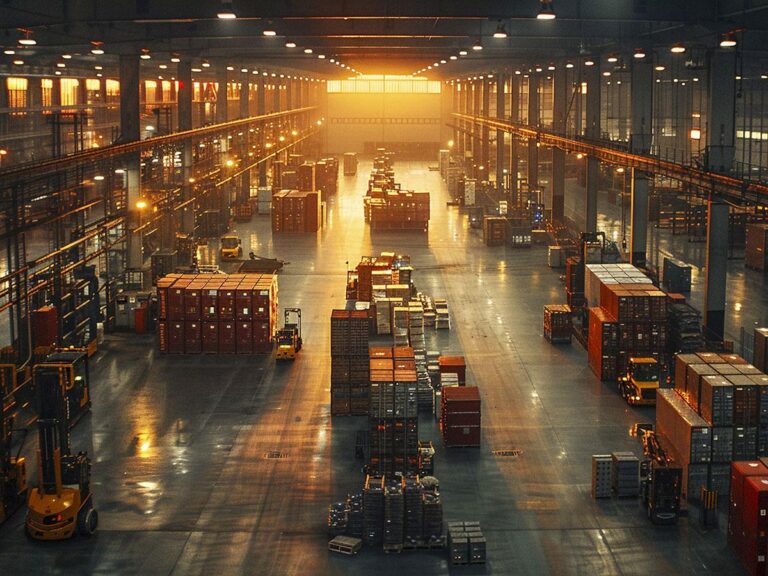
Automation technologies are improving the efficiency of logistics operations. Warehouses and distribution centers are increasingly using robotic systems and automated sorting technologies.
These systems help process shipments quickly and accurately.
Automation also reduces manual labor requirements and improves operational productivity.
Modern logistics facilities in Dubai are adopting these technologies to manage large trade volumes.
The Internet of Things (IoT) enables businesses to monitor shipments and supply chain activities in real time. Sensors placed on cargo containers and transportation vehicles provide data on location, temperature, and movement.
This information allows companies to track goods throughout the transportation process.
Real-time monitoring improves supply chain visibility and helps businesses respond quickly to potential issues.
IoT technology enhances reliability and efficiency in international trade.
Data analytics has become a powerful tool for optimizing trade operations. Businesses analyze trade data to understand market trends, customer demand, and supply chain performance.
Analytics platforms help companies identify inefficiencies and develop strategies for improvement.
Data-driven insights support better forecasting and planning.
This capability helps businesses remain competitive in global markets.
Financial technology innovations are transforming international payment systems. Digital payment platforms enable faster and more secure cross-border transactions.
Businesses can complete payments electronically, reducing delays associated with traditional banking processes.
Online payment systems also improve transparency in financial transactions.
These solutions simplify trade finance and support global commerce.
Customs authorities around the world are adopting digital technologies to streamline import and export procedures. Smart customs systems allow businesses to submit documentation electronically and receive approvals more quickly.
Dubai has implemented advanced customs platforms that enable efficient trade facilitation.
Automated systems reduce processing times and improve transparency.
These innovations help businesses move goods across borders more efficiently.
Modern trade operations rely on integrated digital systems that connect suppliers, logistics providers, financial institutions, and government authorities.
Integrated platforms allow businesses to manage shipments, payments, and compliance requirements from a single interface.
This coordination improves efficiency and reduces administrative complexity.
Integration is a key feature of modern supply chain management.
Technology-driven trade systems significantly improve efficiency in international commerce. Digital platforms, automation, and data analytics enable businesses to manage operations with greater precision.
Companies can respond more quickly to market demand and optimize supply chain performance.
Improved efficiency also reduces operational costs and strengthens competitiveness.
Technology continues to reshape the global trade landscape.
The future of trade operations will continue to be shaped by technological innovation. Emerging technologies such as advanced robotics, artificial intelligence, and digital trade networks are expected to further transform supply chains.
Dubai’s commitment to innovation and smart infrastructure will support the continued growth of technology-driven trade systems.
Businesses that embrace digital transformation will be better positioned to succeed in global markets.
Technology will remain a central driver of international trade development.
Technology is revolutionizing trade operations by improving efficiency, transparency, and connectivity across global supply chains. Innovations such as digital trade platforms, artificial intelligence, blockchain, and IoT are enabling businesses to manage international commerce more effectively.
Dubai and the UAE continue to lead in adopting advanced technologies that support modern trade ecosystems.
Companies operating in this environment benefit from faster logistics operations, streamlined customs procedures, and secure financial systems.
As technological innovation continues to evolve, it will play an increasingly important role in shaping the future of global trade.
The United Arab Emirates has developed into one of the most influential commercial hubs in…
Import planning plays a crucial role in successful international trade operations. Businesses involved in importing…
Emerging markets are becoming increasingly important for global trade as developing economies experience rapid growth,…