
November 26, 2025
Distribution Business Opportunities in UAE
The United Arab Emirates has developed into one of the most influential commercial hubs in…
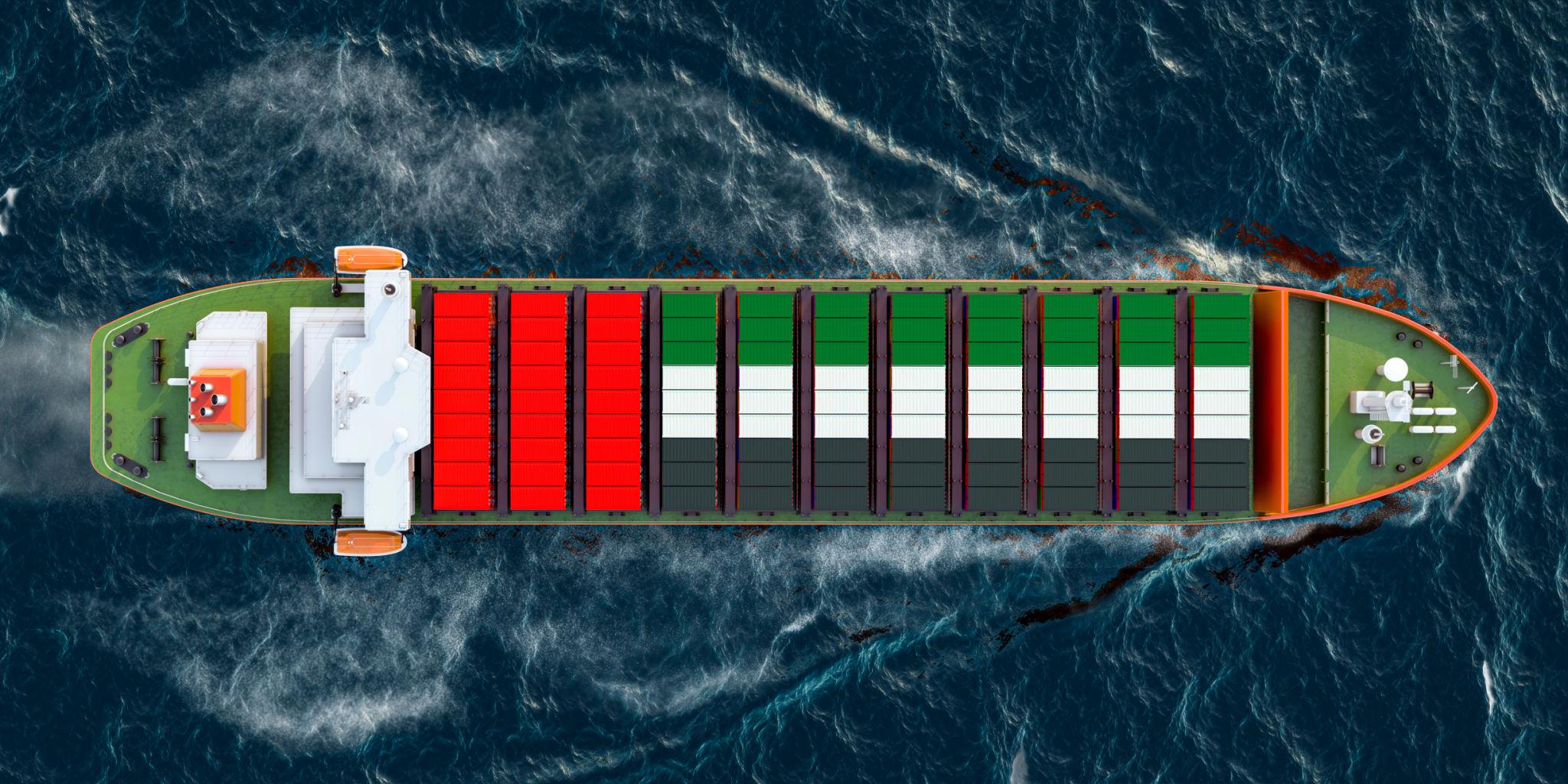
Import planning plays a crucial role in successful international trade operations. Businesses involved in importing goods must carefully manage sourcing, logistics, financial planning, and regulatory compliance to ensure efficient supply chain operations.
The United Arab Emirates has established itself as a major global trading hub, providing businesses with world-class infrastructure, efficient customs procedures, and strong connectivity to global markets. Dubai, in particular, offers advanced ports, airports, and logistics zones that support seamless import activities.
Effective import planning allows companies to reduce operational risks, control costs, and maintain consistent product availability. Businesses that develop structured import strategies can strengthen supply chains and improve overall operational efficiency.
This article explores key import planning strategies that help businesses manage international procurement and distribution effectively.
Successful import planning begins with a clear understanding of market demand. Businesses should analyze consumer preferences, industry trends, and seasonal demand patterns before sourcing products internationally.
Market research helps companies identify the right products and suppliers.
Accurate demand forecasting reduces the risk of overstocking or shortages.
This approach improves inventory management.
Choosing reliable suppliers is essential for maintaining consistent product quality and timely delivery. Businesses should evaluate suppliers based on their production capacity, reputation, and quality standards.
Long-term partnerships with trusted suppliers strengthen supply chain stability.
Regular communication ensures smooth coordination.
Reliable sourcing improves operational efficiency.
Proper documentation is essential for smooth import operations. Businesses must prepare documents such as commercial invoices, packing lists, bills of lading, and certificates of origin.
Accurate documentation allows customs authorities to process shipments efficiently.
Incomplete or incorrect documents may lead to shipment delays.
Well-organized documentation supports compliance.
Efficient logistics planning helps businesses control transportation costs and delivery timelines. Companies should evaluate shipping options such as sea freight, air freight, or multimodal transportation.
Choosing the appropriate logistics solution depends on shipment size, urgency, and budget.
Working with experienced logistics providers ensures smooth cargo movement.
Optimized logistics improve supply chain performance.
Businesses involved in importing goods must comply with customs regulations and product classification requirements. Understanding tariff codes and customs procedures helps ensure efficient shipment processing.
Companies should stay informed about import regulations and documentation requirements.
Customs brokers can assist with regulatory compliance.
Proper planning reduces administrative delays.
Import activities require careful financial planning to manage procurement costs, shipping expenses, and payment cycles. Businesses should evaluate pricing structures and currency considerations when dealing with international suppliers.
Trade finance tools such as letters of credit can help secure transactions.
Financial institutions in the UAE offer services that support international trade.
Strong financial planning supports stable operations.
Effective inventory management ensures that businesses maintain adequate stock levels while avoiding unnecessary storage costs. Companies should monitor inventory turnover and demand patterns.
Warehousing solutions in Dubai allow businesses to store imported goods efficiently.
Modern inventory systems provide real-time tracking.
Efficient inventory management supports distribution operations.
Free zones across the UAE provide an ideal environment for import-oriented businesses. Companies operating in these zones benefit from modern infrastructure and integrated logistics services.
Businesses can store imported goods and distribute them across regional markets.
Free zones also support re-export activities.
This environment strengthens global trade operations.
Import operations involve various risks, including supply chain disruptions, shipping delays, and currency fluctuations. Businesses should develop contingency plans to address potential challenges.
Diversifying supplier networks helps reduce supply chain risks.
Insurance coverage can protect shipments during transit.
Proactive risk management supports operational stability.
Digital technologies are transforming import operations by improving supply chain visibility and operational efficiency. Businesses can use digital platforms to track shipments, manage documentation, and monitor inventory.
Automation reduces manual processes and improves accuracy.
Data analytics helps businesses optimize procurement strategies.
Technology-driven systems strengthen supply chain management.
The future of import planning will continue to evolve as businesses adopt advanced logistics technologies and digital trade platforms. Companies that implement structured import strategies will remain competitive in global markets.
Dubai’s logistics infrastructure will continue to support efficient import operations.
Businesses that leverage modern supply chain tools can improve operational performance.
Strategic import planning will remain essential for international trade success.
Import planning is a critical component of successful international trade operations. By understanding market demand, selecting reliable suppliers, managing logistics efficiently, and maintaining regulatory compliance, businesses can build strong and resilient supply chains.
The UAE provides an excellent environment for import activities through its advanced logistics infrastructure, global connectivity, and business-friendly policies.
Dubai’s position as a global trade hub allows companies to manage import operations efficiently and distribute goods across regional markets.
Businesses that develop well-structured import strategies will be well positioned to succeed in the evolving global trade environment.
The United Arab Emirates has developed into one of the most influential commercial hubs in…
Emerging markets are becoming increasingly important for global trade as developing economies experience rapid growth,…

The United Arab Emirates has developed one of the most attractive business environments in the…