July 17, 2024
Freight Forwarding Trends in UAE
The United Arab Emirates has become one of the most important logistics and trade centers…
Global supply chains have undergone significant transformation in recent years. Rapid technological advancements, shifting geopolitical dynamics, evolving consumer expectations, and disruptions caused by global events have reshaped how goods move across international markets. For traders, understanding these changes is essential to maintaining competitiveness and building resilient business strategies.
Supply chains today are more complex and interconnected than ever before. Companies rely on networks of suppliers, manufacturers, logistics providers, and distributors operating across multiple countries. While globalization has enabled businesses to reach new markets, it has also introduced new challenges related to risk management, transportation costs, and regulatory compliance.
As global trade continues to evolve, traders must adapt to emerging supply chain trends that influence how goods are sourced, transported, and delivered. Businesses that understand these trends can identify new opportunities, optimize logistics operations, and strengthen their ability to respond to disruptions.
This article explores the major global supply chain trends affecting traders and how these developments are reshaping international commerce.
One of the most important trends shaping global supply chains is diversification. Many companies are reducing their dependence on a single country or supplier for manufacturing and sourcing. This shift has become more prominent following disruptions caused by geopolitical tensions, trade conflicts, and global health crises.
Businesses are increasingly adopting a strategy known as “multi-sourcing,” where they work with suppliers in multiple regions to minimize risks associated with supply disruptions.
This approach helps traders maintain stable supply chains even when certain regions experience production delays or transportation challenges.
Diversification also allows businesses to take advantage of new manufacturing hubs emerging in regions such as Southeast Asia, South Asia, and Eastern Europe.
While globalization continues to play an important role in international trade, many companies are shifting toward more regional supply chain structures. Instead of relying solely on long-distance global shipping routes, businesses are establishing regional manufacturing and distribution centers closer to key markets.
This trend, often referred to as “regionalization,” reduces transportation costs and delivery times while improving supply chain resilience.
For traders operating in major logistics hubs such as Dubai, regional supply chains create opportunities to serve multiple markets efficiently.
Regional distribution hubs enable companies to respond quickly to local demand while maintaining global sourcing networks.
Digital technologies are revolutionizing supply chain management across industries. Companies are increasingly adopting advanced software platforms, data analytics tools, and digital tracking systems to improve operational visibility.
Technologies such as cloud-based supply chain platforms allow businesses to monitor shipments, manage inventory, and coordinate logistics operations in real time.
Digital transformation improves decision-making by providing accurate data about production schedules, transportation routes, and customer demand patterns.
For traders, digital tools provide greater transparency across global supply networks and help reduce operational inefficiencies.
Automation is becoming an increasingly important component of modern supply chains. Automated warehouses, robotic picking systems, and smart logistics technologies are helping businesses handle large volumes of goods more efficiently.
Automation reduces the need for manual labor in repetitive tasks such as sorting, packing, and inventory management.
These technologies improve operational speed and accuracy, allowing companies to process orders faster and reduce shipping delays.
Many logistics centers around the world are adopting automated systems to support growing trade volumes and e-commerce demand.
Recent global disruptions have highlighted the importance of building resilient supply chains. Traders are increasingly focusing on strategies that improve their ability to respond to unexpected events.
Companies are investing in risk management systems that monitor potential supply chain disruptions, including transportation delays, geopolitical conflicts, and natural disasters.
Developing contingency plans and alternative supplier networks has become an essential part of supply chain strategy.
Businesses that prioritize resilience can maintain operations even during challenging global conditions.
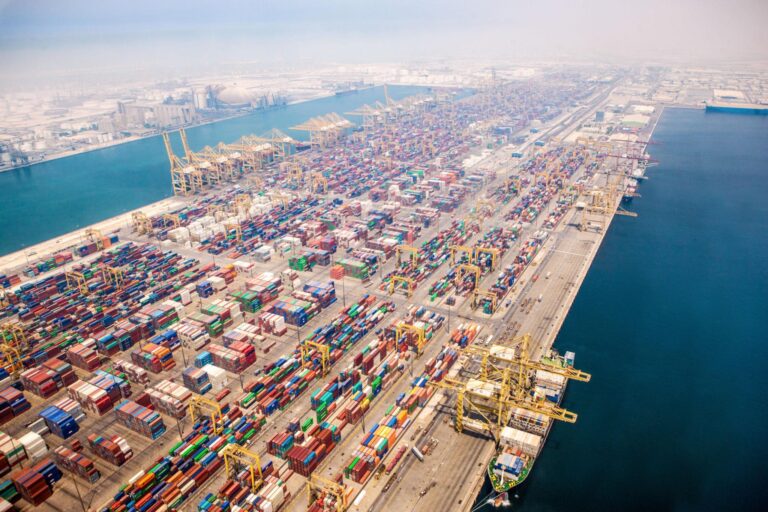
Major logistics hubs play a critical role in global supply chains. Cities with advanced transportation infrastructure and strategic geographic locations are becoming key centers for international trade.
Logistics hubs allow traders to consolidate shipments, manage regional distribution networks, and connect global markets.
Locations such as Dubai, Singapore, and Rotterdam serve as important gateways linking manufacturers, suppliers, and consumer markets.
These hubs provide access to efficient shipping routes, modern warehouses, and integrated logistics services.
The rapid growth of e-commerce has significantly changed supply chain operations worldwide. Online retail platforms require fast and flexible logistics systems capable of handling large volumes of small orders.
This shift has increased demand for fulfillment centers, last-mile delivery services, and advanced inventory management systems.
Supply chains that were once designed for bulk shipments to retail stores are now being adapted to support direct-to-consumer delivery models.
Traders who embrace e-commerce logistics can reach global customers more efficiently and expand their market presence.
Sustainability has become an increasingly important consideration in supply chain management. Businesses are facing growing pressure from governments, consumers, and investors to reduce their environmental impact.
Companies are implementing strategies to lower carbon emissions, improve energy efficiency, and adopt environmentally responsible transportation methods.
Supply chain sustainability initiatives may include optimizing shipping routes, using renewable energy in logistics facilities, and adopting eco-friendly packaging materials.
Traders who prioritize sustainability can enhance their brand reputation while contributing to global environmental goals.
Transportation costs have become a significant concern for traders in recent years. Fluctuating fuel prices, shipping capacity constraints, and port congestion can affect the cost and reliability of global trade.
To manage these challenges, companies are exploring alternative transportation routes and optimizing supply chain planning.
Improved logistics coordination and advanced forecasting systems help businesses manage transportation expenses more effectively.
Cost management strategies are essential for maintaining profitability in a competitive global marketplace.
Strong supplier relationships are becoming increasingly important in modern supply chains. Businesses are working closely with suppliers to improve communication, transparency, and collaboration.
Long-term partnerships allow companies to secure reliable access to raw materials and components.
Collaborative planning between traders and suppliers also improves supply chain efficiency and reduces the risk of disruptions.
By building strong supplier networks, traders can enhance their ability to adapt to changing market conditions.
Data analytics is playing an increasingly important role in supply chain management. Companies are using advanced analytics tools to analyze market trends, demand forecasts, and operational performance.
Data-driven insights help traders optimize inventory levels, reduce waste, and improve overall supply chain efficiency.
Real-time data also enables businesses to respond quickly to changes in demand or disruptions in supply.
As technology continues to advance, data analytics will remain a key component of modern supply chain strategies.
The future of global supply chains will likely be shaped by continued technological innovation, evolving trade policies, and increasing demand for efficiency and sustainability.
Emerging technologies such as artificial intelligence, blockchain, and advanced robotics are expected to transform supply chain operations in the coming years.
Businesses that invest in flexible supply chain strategies and digital transformation will be better positioned to navigate the complexities of global trade.
For traders, staying informed about these trends is essential for maintaining competitiveness and identifying new opportunities in international markets.
Global supply chains are undergoing rapid transformation as businesses adapt to new technologies, shifting trade patterns, and evolving consumer expectations. Trends such as supply chain diversification, digital transformation, automation, and sustainability are reshaping how goods move across international markets.
Traders who understand these developments can build more resilient and efficient supply networks while expanding their global reach.
As the global trade landscape continues to evolve, companies that embrace innovation and strategic planning will be best positioned to succeed in the dynamic world of international commerce.
The United Arab Emirates has become one of the most important logistics and trade centers…
The global trade logistics industry is undergoing a major technological transformation, and artificial intelligence (AI)…
Dubai has established itself as one of the world’s most important regional distribution hubs. Strategically…