March 18, 2026
Trade Opportunities in GCC Markets
The Gulf Cooperation Council (GCC) region has emerged as one of the most dynamic and…
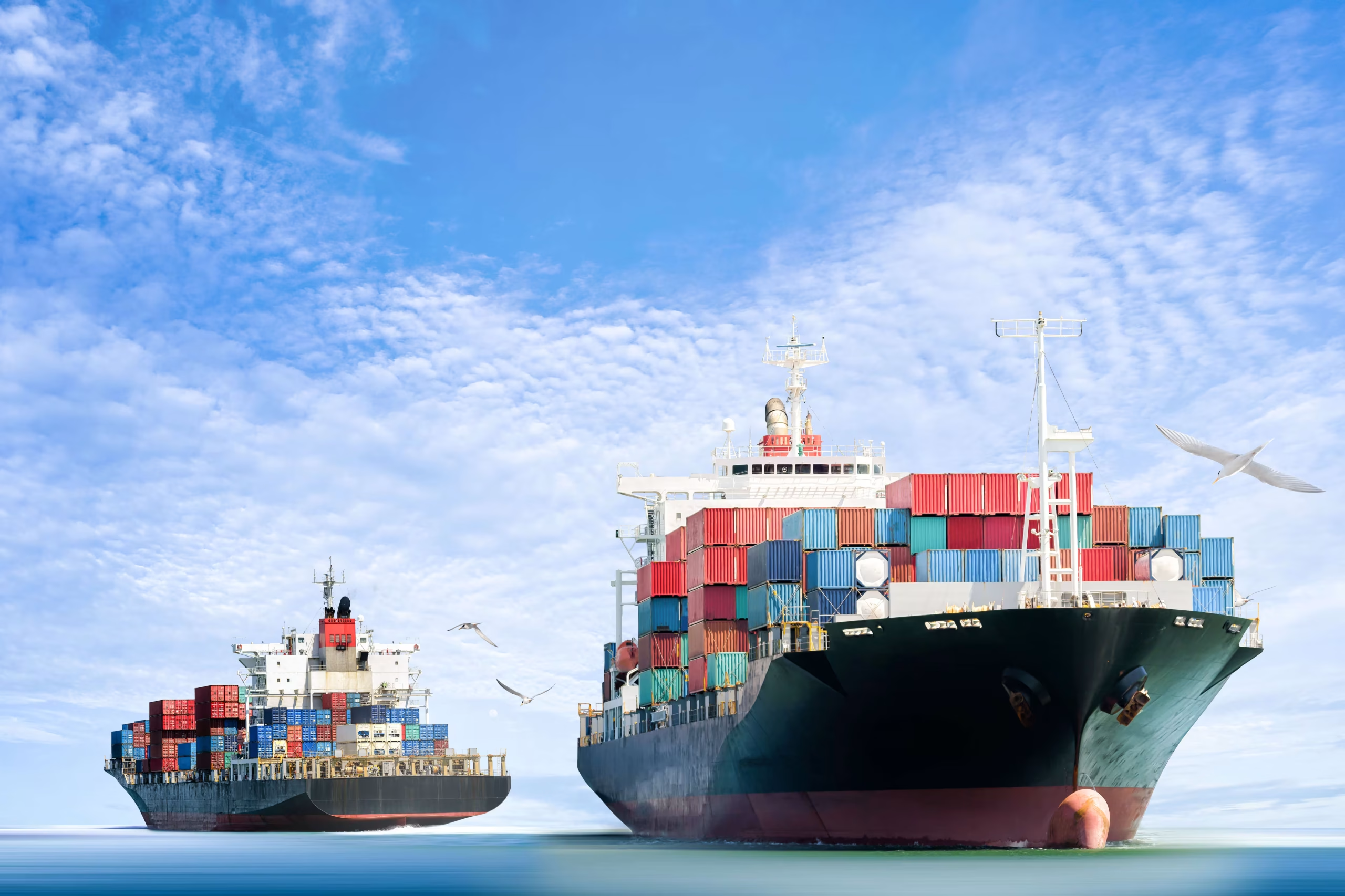
Dubai has established itself as one of the most powerful global trade hubs, connecting businesses to markets across Asia, Europe, Africa, and the Americas. With its strategic geographic location, advanced logistics infrastructure, and pro-business economic policies, Dubai provides companies with a unique platform to expand export operations and reach international customers.
Over the past few decades, the emirate has invested heavily in ports, airports, free zones, and digital trade systems to create a seamless environment for global commerce. These investments have enabled businesses operating in Dubai to efficiently export products to multiple regions and build global supply chains.
Today, exporters in Dubai benefit from a highly integrated trade ecosystem that includes world-class transportation networks, trade agreements, and supportive government initiatives. Whether dealing in manufactured goods, agricultural products, technology, or services, companies can leverage Dubai’s infrastructure to expand their presence in international markets.
This article explores how businesses are expanding export markets from Dubai, the advantages of operating from the emirate, and the strategies exporters can use to reach global buyers.
Dubai has become one of the world’s most important trade gateways. The emirate serves as a central link between major global markets, enabling companies to distribute products efficiently across continents.
The United Arab Emirates exported approximately $311 billion worth of goods in 2024, ranking among the top exporters globally. This highlights the country’s strong integration with international trade networks and its growing influence in global commerce. :contentReference[oaicite:0]{index=0}
Dubai plays a key role in this success through its advanced logistics ecosystem. Major ports and airports handle enormous volumes of cargo each year, allowing businesses to transport goods quickly and reliably.
Companies operating in Dubai can use these facilities to export products directly to international markets or redistribute goods to neighboring regions through re-export operations.
One of Dubai’s most distinctive trade advantages is its role as a re-export hub. Re-exporting involves importing goods into one country and exporting them again to another destination without major transformation.
This model allows traders to use Dubai as a central distribution point for global supply chains. Products from Asia, Europe, and other regions can be brought into Dubai and then shipped onward to markets across the Middle East, Africa, and South Asia.
Re-exports account for a significant portion of the UAE’s foreign trade. In fact, re-export activities represent more than 27 percent of the country’s total trade value, demonstrating their importance to the national economy. :contentReference[oaicite:1]{index=1}
Dubai’s efficient logistics systems and streamlined customs procedures make it an ideal base for companies involved in regional distribution and international trading.
Dubai’s geographic position is one of its strongest competitive advantages in global trade. Located at the crossroads of Asia, Europe, and Africa, the city provides convenient access to many of the world’s fastest-growing markets.
Within an eight-hour flight radius from Dubai, businesses can reach a large share of the global population. This connectivity enables exporters to serve multiple regions from a single operational base. :contentReference[oaicite:2]{index=2}
For companies seeking to expand internationally, this strategic location reduces shipping times, improves supply chain efficiency, and lowers transportation costs.
As a result, many international firms establish regional headquarters in Dubai to manage export operations across multiple continents.
Dubai’s export success is closely linked to its world-class logistics infrastructure. The emirate is home to some of the largest and most efficient ports and cargo airports in the world.
Jebel Ali Port, one of the largest man-made harbors globally, connects Dubai to more than 150 ports worldwide. This facility plays a central role in supporting international shipping and trade operations. :contentReference[oaicite:3]{index=3}
Dubai International Airport and Al Maktoum International Airport also handle massive cargo volumes, providing exporters with fast air freight connections to global destinations.
These transportation networks enable companies to ship goods quickly and efficiently, ensuring reliable delivery to international markets.
Dubai’s free zones are another major factor enabling export growth. These specialized economic areas offer numerous incentives designed to attract international businesses and facilitate global trade.
Companies operating in free zones often benefit from 100 percent foreign ownership, tax advantages, simplified licensing procedures, and customs exemptions.
Free zones are typically located near major ports and airports, allowing businesses to move goods efficiently between warehouses, factories, and transportation hubs.
This infrastructure helps exporters manage logistics operations smoothly and scale their businesses internationally.
Dubai provides exporters with easy access to emerging markets across the Middle East, Africa, and South Asia. These regions are experiencing rapid economic growth and increasing demand for imported goods.
Companies exporting from Dubai can supply products to these markets through established trade routes and distribution networks.
Many businesses use Dubai as a regional headquarters for managing trade operations across multiple countries.
This strategy allows companies to serve diverse markets while maintaining centralized management and logistics operations.
The UAE government actively promotes export expansion through various economic initiatives and policy reforms. These programs aim to diversify the economy and strengthen the country’s role in global trade.
Government agencies provide exporters with market intelligence, export promotion programs, and financial support to help businesses expand internationally.
Strategic initiatives also focus on increasing the value of non-oil exports and strengthening trade relationships with international partners.
These efforts are designed to position the UAE as a leading global trading nation.
Digital technology is transforming the way businesses export products globally. Dubai has embraced digital trade platforms and e-commerce systems that simplify cross-border transactions.
Online marketplaces, digital payment solutions, and integrated logistics services allow exporters to reach international customers more easily than ever before.
Many SMEs are now using Dubai as a base for regional e-commerce operations, leveraging its advanced digital infrastructure and reliable shipping networks.
This digital transformation is opening new opportunities for exporters across a wide range of industries.
Dubai exports and re-exports a diverse range of products to global markets. Some of the most prominent sectors include electronics, machinery, precious metals, food products, and consumer goods.
The UAE is also one of the world’s largest re-exporters of several commodities, including rice, diamonds, coffee, and tea. These products are distributed through Dubai’s extensive trading networks. :contentReference[oaicite:4]{index=4}
As global demand continues to evolve, exporters are exploring new product categories and markets to strengthen their international presence.
Export expansion often requires strong partnerships with international distributors, logistics providers, and local market experts.
Dubai offers numerous networking opportunities through trade exhibitions, industry conferences, and international business forums.
These events allow exporters to connect with global buyers, explore new markets, and build long-term business relationships.
By developing strategic partnerships, companies can enhance their competitiveness and increase their chances of success in international markets.
The future of export expansion from Dubai looks highly promising. The emirate continues to invest in infrastructure, technology, and international trade partnerships to strengthen its global trade position.
New economic initiatives aim to further increase trade volumes and attract international companies to operate from Dubai.
As global supply chains evolve, Dubai is expected to remain a critical gateway connecting businesses to markets around the world.
Companies that leverage the emirate’s trade advantages will be well positioned to expand export operations and capture opportunities in emerging global markets.
Dubai’s transformation into a global export hub has created tremendous opportunities for businesses seeking international growth. Through its strategic location, world-class infrastructure, and supportive trade policies, the emirate provides exporters with a powerful platform to access global markets.
The ability to reach multiple regions from a single base, combined with efficient logistics and trade-friendly regulations, makes Dubai one of the most attractive locations for export-driven businesses.
As international trade continues to evolve, companies operating in Dubai will remain at the forefront of global commerce, expanding export markets and driving economic growth across industries.
The Gulf Cooperation Council (GCC) region has emerged as one of the most dynamic and…

The United Arab Emirates continues to strengthen its position as one of the world’s leading…
The United Arab Emirates has established itself as one of the most influential global trading…