November 5, 2025
UAE Trade Growth Outlook
The United Arab Emirates continues to strengthen its position as one of the world’s most…
Dubai has emerged as one of the most influential global trade centers, connecting businesses and markets across multiple continents. Through strategic planning, advanced infrastructure development, and strong international partnerships, the emirate has built a powerful ecosystem that supports international commerce and economic growth.
Located at the crossroads of Asia, Europe, and Africa, Dubai provides businesses with direct access to some of the world’s fastest-growing markets. The city’s world-class ports, airports, logistics zones, and digital trade systems allow companies to move goods efficiently across global supply chains.
Dubai’s strategy for global trade leadership is built on continuous innovation, investment in infrastructure, and policies that encourage international business. These initiatives have transformed the emirate into a major gateway for global trade and investment.
This article explores the key elements of Dubai’s strategy that continue to strengthen its position as a leader in international commerce.
Dubai’s geographic position is one of its greatest advantages in global trade. Situated between major economic regions, the emirate serves as a natural bridge connecting markets in Asia, Europe, and Africa.
From Dubai, businesses can reach billions of consumers within a relatively short transportation time.
This strategic location allows companies to establish regional distribution centers that serve multiple markets.
Global shipping and aviation routes passing through the region further strengthen Dubai’s connectivity.
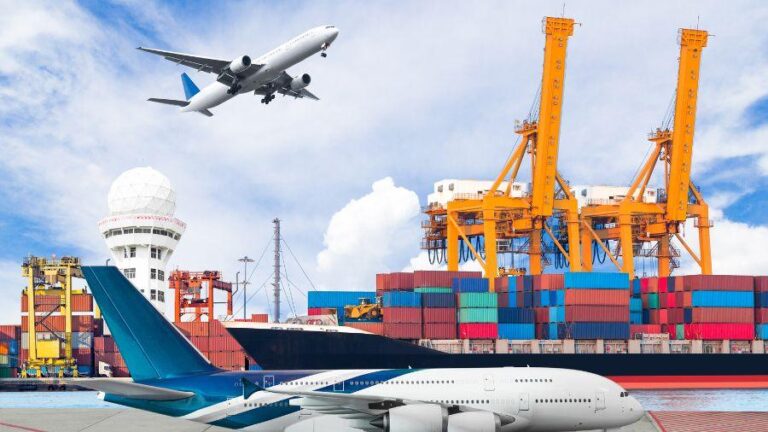
Dubai has invested heavily in developing advanced logistics infrastructure that supports international trade operations. The emirate’s transportation network integrates maritime, aviation, and land logistics systems.
Jebel Ali Port is one of the largest container ports in the world and serves as a major gateway for maritime trade.
Dubai International Airport and Al Maktoum International Airport support extensive cargo operations that connect the emirate with global markets.
This integrated infrastructure enables efficient movement of goods across international supply chains.
Free zones play a central role in Dubai’s trade strategy. These specialized economic zones provide businesses with modern infrastructure and access to global markets.
Companies operating in free zones benefit from efficient regulatory processes and proximity to logistics hubs.
Many international companies establish regional headquarters in these zones to manage trade operations across multiple countries.
Free zones also support industries such as logistics, technology, manufacturing, and media.
Dubai is investing heavily in digital trade technologies that simplify international commerce. Smart trade platforms allow businesses to manage customs documentation, logistics coordination, and financial transactions electronically.
Digital systems improve transparency, reduce administrative processing times, and enhance supply chain visibility.
Innovations such as blockchain technology and artificial intelligence are being integrated into trade processes.
These advancements strengthen Dubai’s position as a modern and efficient trade hub.
Dubai maintains strong economic relationships with countries and trading partners across the world. These partnerships promote international investment and encourage cross-border commerce.
Trade agreements and economic cooperation initiatives allow businesses to access new markets and expand global supply chains.
International companies benefit from Dubai’s strong diplomatic and commercial connections.
These partnerships contribute to the emirate’s growing influence in global trade networks.
Re-export trade is a key component of Dubai’s global trade leadership. Businesses import goods into Dubai and distribute them to other markets without significant modification.
This model allows companies to serve customers across the Middle East, Africa, and South Asia from a single distribution hub.
Dubai’s logistics infrastructure and efficient customs systems support large-scale re-export operations.
The emirate continues to strengthen its role as a regional distribution gateway.
Innovation plays a major role in Dubai’s economic strategy. The emirate actively promotes research, technology development, and digital transformation across industries.
Initiatives supporting artificial intelligence, smart logistics systems, and fintech solutions are improving trade efficiency.
Technology-driven solutions enable businesses to manage complex supply chains and financial transactions more effectively.
Innovation ensures that Dubai remains competitive in the global economy.
Continuous infrastructure development is a cornerstone of Dubai’s long-term trade strategy. Major projects focus on expanding transportation networks, logistics zones, and industrial areas.
These developments provide businesses with modern facilities designed to support global trade operations.
Infrastructure investments also enhance connectivity between ports, airports, and distribution centers.
This integrated ecosystem strengthens Dubai’s role as a global commerce hub.
Dubai’s business-friendly environment attracts companies from around the world. The emirate offers efficient regulatory processes, modern financial systems, and strong international connectivity.
Entrepreneurs, multinational corporations, and trading companies benefit from policies that support innovation and investment.
The presence of international banks, financial institutions, and professional service providers further strengthens the business ecosystem.
This environment encourages global companies to establish operations in Dubai.
Dubai continues to implement forward-looking strategies aimed at strengthening its role in international trade. Investments in logistics technology, smart city initiatives, and digital trade platforms will further enhance operational efficiency.
As global supply chains evolve, Dubai is well positioned to remain a central hub connecting international markets.
Emerging technologies and sustainable infrastructure projects will continue to support economic growth.
The emirate’s commitment to innovation ensures that it remains a leading destination for global commerce.
Dubai’s strategy for global trade leadership is built on strong infrastructure, international connectivity, innovation, and a supportive business environment. Through continuous investment and forward-thinking policies, the emirate has established itself as one of the most important trading hubs in the world.
Businesses operating in Dubai benefit from access to global markets, efficient logistics systems, and strong economic partnerships.
These advantages enable companies to expand internationally and participate in global commerce with confidence.
As international trade continues to grow, Dubai’s strategic initiatives will ensure that it remains a powerful gateway connecting markets across the world.
The United Arab Emirates continues to strengthen its position as one of the world’s most…
Dubai has emerged as one of the most influential cities in global trade networks, connecting…
The United Arab Emirates has successfully positioned itself as one of the most dynamic and…