March 25, 2026
Future Outlook for UAE Goods Trading
The United Arab Emirates has firmly established itself as one of the world’s most influential…
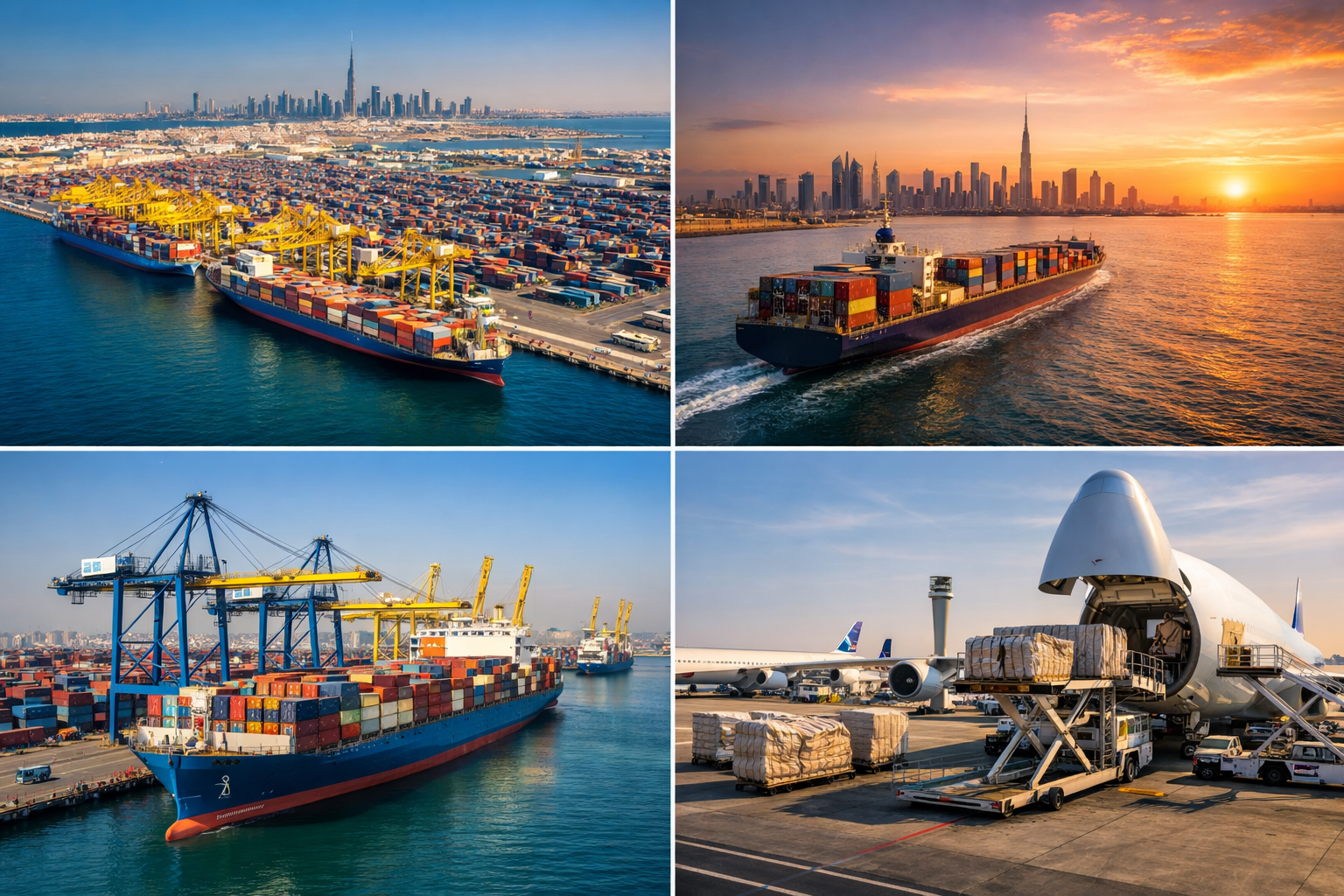
Dubai has developed into one of the most influential global trade centers in the modern economy. Located at the crossroads of Asia, Europe, and Africa, the emirate plays a crucial role in connecting international markets through maritime, air, and land trade routes. Over the past several decades, Dubai has invested heavily in transportation infrastructure, logistics networks, and trade facilitation systems that support global commerce.
Today, Dubai serves as a gateway for international trade flows moving between East and West. The city’s ports, airports, and logistics hubs enable businesses to move goods quickly and efficiently across continents. These advantages have positioned Dubai as one of the most important nodes in the global supply chain.
As global trade continues to expand, Dubai’s strategic location and advanced infrastructure continue to strengthen its role as a vital hub connecting international trade routes.
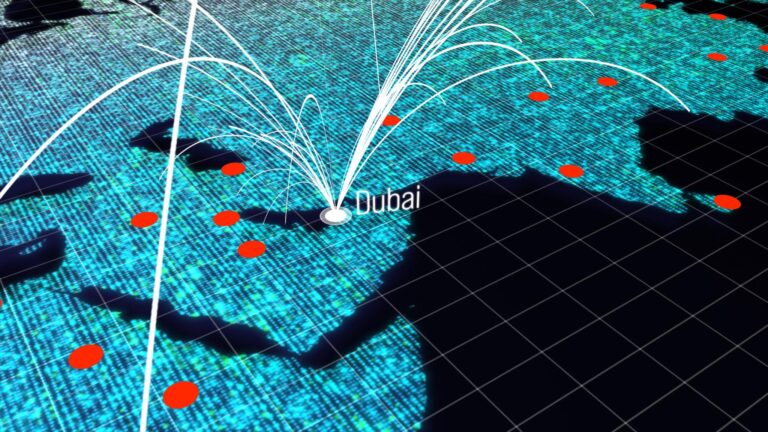
One of the most significant factors behind Dubai’s success in global trade is its geographic position. The emirate lies at the center of major shipping and aviation routes connecting Asia, Europe, and Africa.
From Dubai, businesses can reach a large portion of the world’s population within an eight-hour flight radius. This central location allows companies to distribute goods efficiently across regional markets including the Middle East, North Africa, South Asia, and Central Asia.
Dubai’s proximity to major global shipping lanes also enables maritime trade routes to pass through the region, making the city an important hub for cargo transportation and distribution.
Dubai’s ports form the backbone of its global trade connectivity. The emirate has developed world-class maritime infrastructure capable of handling large volumes of international cargo.
Jebel Ali Port is the largest container port in the Middle East and one of the most advanced ports globally. The port connects to hundreds of international shipping routes and handles millions of containers every year.
The port’s capacity and efficiency make it a central hub for cargo moving along global maritime trade routes.
Dubai’s aviation sector complements its maritime infrastructure by providing extensive air cargo connectivity. The city hosts two major international airports that support global trade operations.
Dubai International Airport and Al Maktoum International Airport handle large volumes of cargo shipments and connect Dubai with major cities around the world.
These airports allow businesses to transport high-value and time-sensitive goods quickly across international markets, strengthening Dubai’s role in global supply chains.
Dubai is widely recognized as one of the world’s leading re-export centers. Many goods imported into Dubai are redistributed to other markets without significant modification.
Products imported from global manufacturers are stored in Dubai’s logistics facilities and then exported to markets across the Middle East, Africa, and South Asia.
Common re-exported products include:
This re-export ecosystem strengthens Dubai’s importance within international trade routes.
Dubai’s free zones play an important role in attracting international trading companies. These zones provide an efficient environment for businesses involved in import, export, and logistics operations.
Key advantages of Dubai’s free zones include:
Major free zones such as Jebel Ali Free Zone (JAFZA), Dubai Multi Commodities Centre (DMCC), and Dubai Airport Free Zone (DAFZ) host thousands of companies engaged in global trade activities.
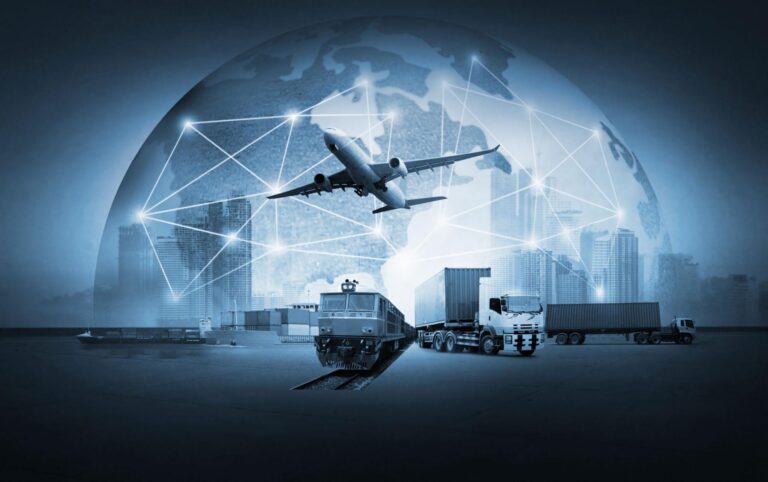
Dubai has developed a highly integrated logistics ecosystem that connects ports, airports, highways, and logistics parks. This infrastructure enables efficient movement of goods across multiple transportation modes.
Key logistics infrastructure includes:
These systems allow businesses to move cargo efficiently between international markets.
Dubai continues to invest in digital technologies that improve trade efficiency and supply chain management. Smart ports, digital customs systems, and automated logistics operations help streamline cargo movement.
Technology also enables businesses to track shipments, manage inventory, and optimize distribution networks.
Dubai’s focus on innovation strengthens its competitiveness as a global trade hub.
Dubai maintains strong commercial relationships with countries around the world. The emirate imports goods from major manufacturing economies and distributes them to regional markets.
Major trading partners include:
These global partnerships help sustain Dubai’s role in international trade routes.
Dubai continues to invest in infrastructure and technology that support global trade connectivity. Expansion of ports, airports, and logistics hubs will further enhance the city’s position in global supply chains.
Emerging technologies such as automation, artificial intelligence, and digital trade platforms are expected to improve efficiency and reduce transit times.
As global commerce continues to grow, Dubai’s strategic location and advanced infrastructure will ensure its continued importance in international trade routes.
Dubai’s strategic location and world-class infrastructure have enabled the emirate to become a central hub in global trade routes. Through advanced ports, airports, logistics networks, and supportive government policies, Dubai provides an efficient platform for international commerce.
Businesses operating in Dubai benefit from fast access to global markets, efficient supply chains, and a supportive business environment. These advantages continue to strengthen Dubai’s position as one of the world’s most important global trade gateways.
As the city continues to invest in innovation and infrastructure, Dubai will remain a key link connecting global trade routes for decades to come.
The United Arab Emirates has firmly established itself as one of the world’s most influential…
Dubai has established itself as one of the most influential trade centers in the world,…
The United Arab Emirates has achieved a historic milestone as its non-oil trade surpasses the…