March 18, 2026
Trade Opportunities in GCC Markets
The Gulf Cooperation Council (GCC) region has emerged as one of the most dynamic and…
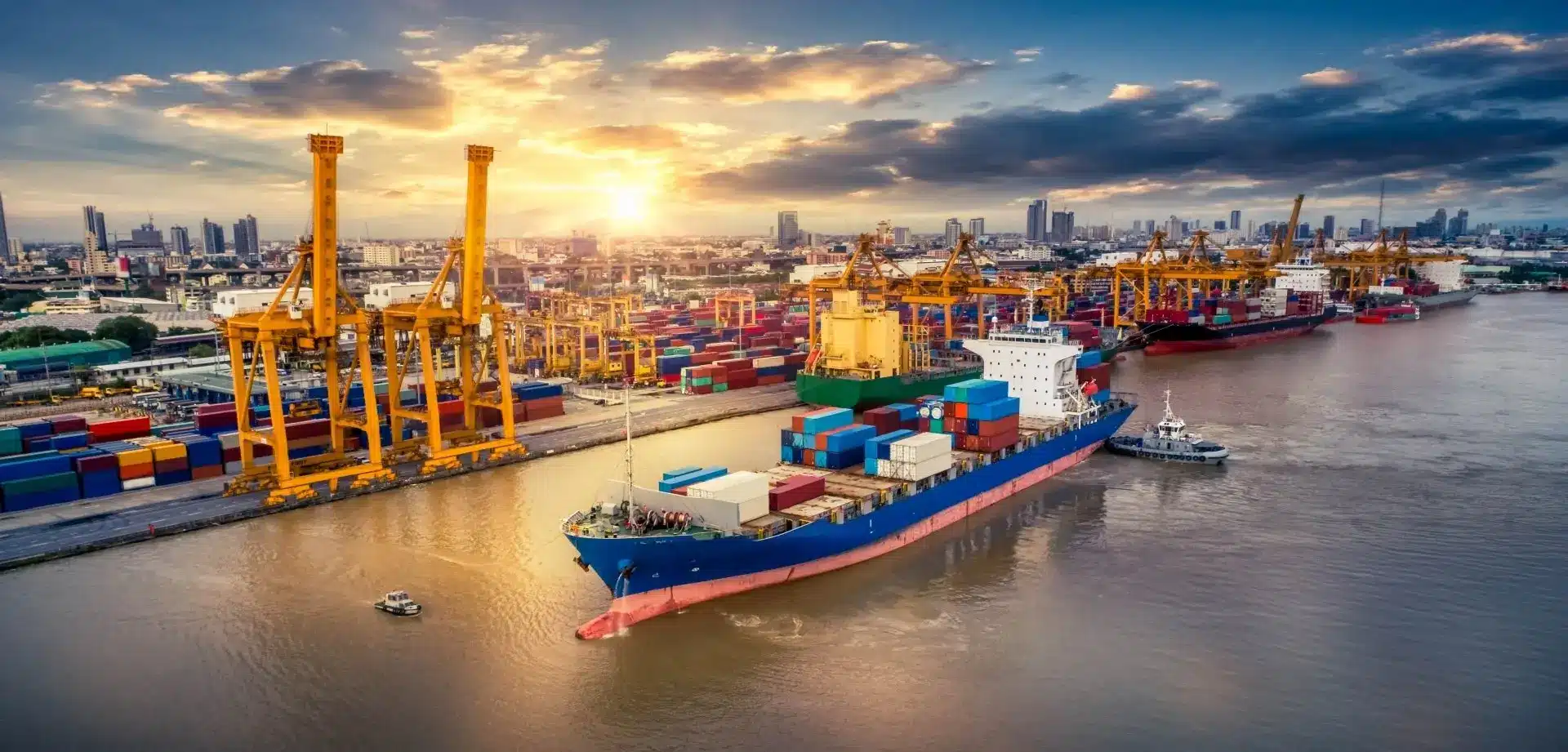
Dubai has established itself as one of the world’s most influential trading hubs, connecting global markets across Asia, Europe, and Africa. One of the most important components of Dubai’s trade success is its strong re-export economy. Through advanced logistics infrastructure, world-class ports, and a business-friendly environment, Dubai has developed into a major gateway for goods moving between international markets.
Re-export trade refers to the process in which goods are imported into a country and then exported again to other destinations without significant modification. Dubai has mastered this model, allowing businesses to import products from global manufacturers and distribute them efficiently to regional markets.
As global commerce continues to expand, Dubai’s re-export economy continues to grow, reinforcing the emirate’s position as a leading center for international trade and logistics.
Re-export trade is a key component of Dubai’s economic strategy. Businesses import goods from manufacturing countries, store them in warehouses or logistics hubs, and then ship them to other markets where demand exists.
This model allows Dubai to act as a distribution center for a wide range of products including electronics, automotive parts, machinery, textiles, and consumer goods.
By facilitating efficient re-export operations, Dubai enables businesses to reach regional markets quickly and cost-effectively.
One of the main reasons for Dubai’s success in re-export trade is its strategic geographic location. Positioned between Asia, Europe, and Africa, Dubai sits along some of the most important global trade routes.
From Dubai, companies can access major markets across the Middle East, North Africa, South Asia, and Central Asia within relatively short transit times.
This geographic advantage allows businesses to manage regional distribution operations efficiently.
Jebel Ali Port is one of the most important logistics hubs supporting Dubai’s re-export economy. As the largest container port in the Middle East, the port handles millions of containers every year.
The port’s advanced infrastructure enables companies to manage large volumes of cargo while ensuring efficient handling and distribution.
Key advantages of Jebel Ali Port include:
These capabilities make the port a central hub for global shipping and regional distribution.
Dubai’s free zones play a major role in supporting re-export operations. These specialized economic zones provide businesses with infrastructure, logistics services, and simplified regulations that facilitate international trade.
Companies operating in free zones benefit from access to world-class warehouses, distribution centers, and transportation networks.
Popular free zones supporting trade and logistics include:
These zones attract thousands of international companies involved in trading and supply chain management.
Dubai’s re-export trade covers a wide range of product categories. Businesses import goods from major manufacturing economies and distribute them to markets across the region.
Common re-exported products include:
This diverse product range reflects Dubai’s role as a global trading hub.
Dubai’s logistics infrastructure plays a vital role in supporting the growth of re-export trade. The city has invested heavily in transportation networks, logistics parks, and warehouse facilities.
Key infrastructure supporting re-export operations includes:
This integrated logistics ecosystem allows businesses to move goods efficiently between global markets.
Technology is playing an increasingly important role in Dubai’s trade and logistics sector. Digital platforms, automated warehouses, and smart port technologies help streamline supply chain operations.
Businesses can now track shipments in real time, optimize distribution routes, and manage inventory more efficiently.
These technological advancements strengthen Dubai’s competitiveness as a global re-export center.
Dubai maintains strong trade relationships with countries around the world. Major trading partners include manufacturing economies such as China, India, and European nations.
Products imported from these markets are often redistributed through Dubai to regional destinations.
This network of global partnerships supports the continued expansion of Dubai’s re-export economy.
Dubai continues to invest in logistics infrastructure, smart trade technologies, and international trade partnerships. These initiatives will further strengthen the emirate’s role as a global distribution hub.
As global trade volumes increase, the demand for efficient distribution centers like Dubai is expected to grow.
Dubai’s commitment to innovation and infrastructure development ensures that its re-export economy will remain a key pillar of the region’s trade ecosystem.
Dubai’s growing re-export economy reflects the city’s strategic vision and commitment to global trade leadership. Through advanced ports, logistics infrastructure, and supportive business policies, Dubai has created a highly efficient platform for international commerce.
Businesses operating in Dubai benefit from fast access to regional markets, efficient supply chain networks, and a globally connected trading environment.
As international trade continues to evolve, Dubai’s re-export sector will remain a powerful driver of economic growth and global business connectivity.
The Gulf Cooperation Council (GCC) region has emerged as one of the most dynamic and…

The United Arab Emirates continues to strengthen its position as one of the world’s leading…
The United Arab Emirates has established itself as one of the most influential global trading…