March 25, 2026
Future Outlook for UAE Goods Trading
The United Arab Emirates has firmly established itself as one of the world’s most influential…
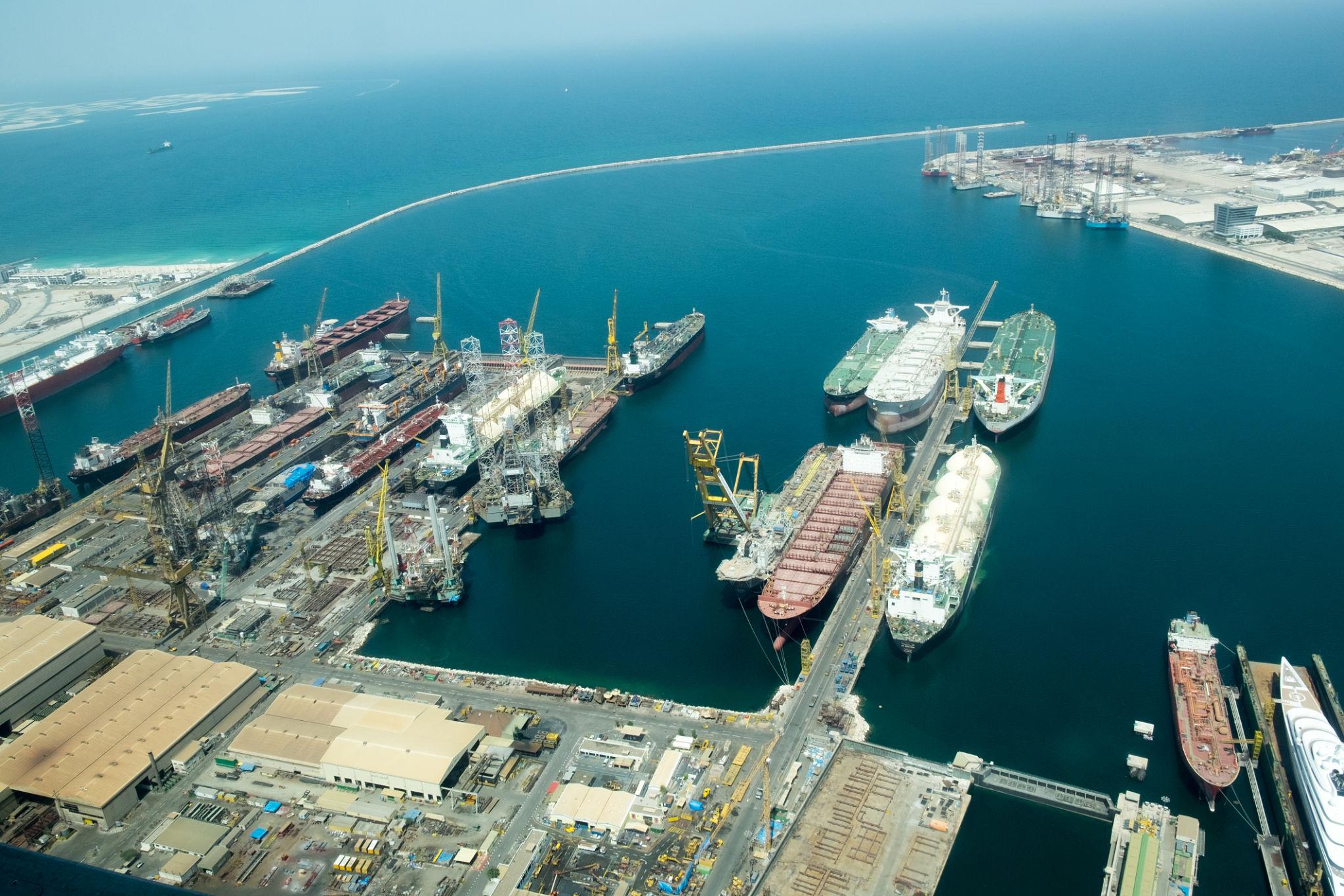
Dubai has firmly established itself as one of the world’s most influential trade hubs, connecting global markets with the rapidly growing economies of the Middle East. Through advanced logistics infrastructure, world-class ports, and a strong business environment, Dubai serves as a gateway for companies seeking to access markets across the region.
The Middle East represents a diverse and dynamic economic landscape with strong demand for consumer goods, industrial products, technology, and infrastructure development. Businesses operating in Dubai benefit from efficient supply chain networks that allow them to distribute goods across the Gulf and surrounding markets.
Dubai’s strategic vision and commitment to global trade have enabled the city to become a key center for international companies looking to expand their presence in the Middle East.
Dubai’s location between Asia, Europe, and Africa makes it an ideal gateway for international trade. The emirate sits along major global shipping routes, allowing goods to move efficiently between continents.
From Dubai, businesses can reach major Middle Eastern markets quickly through well-developed transportation networks. This geographic advantage enables companies to manage regional distribution operations effectively.
Dubai’s connectivity has made it a preferred base for multinational corporations seeking to expand into the Middle East.
Jebel Ali Port is one of the most important logistics hubs supporting trade across the Middle East. As the largest container port in the region, it handles millions of containers each year and connects Dubai with hundreds of global shipping routes.
The port offers modern infrastructure designed to support efficient cargo handling and distribution.
These capabilities make Jebel Ali Port a vital gateway for goods entering Middle Eastern markets.
Dubai’s aviation sector plays an important role in supporting regional trade. Dubai International Airport and Al Maktoum International Airport serve as major cargo hubs connecting the Middle East with global markets.
Air cargo services allow businesses to transport high-value and time-sensitive goods quickly across regional markets.
This strong air connectivity complements Dubai’s maritime infrastructure and strengthens its role as a trade gateway.
Dubai’s free zones provide an attractive environment for international businesses. These zones offer modern infrastructure, efficient regulatory frameworks, and access to global trade networks.
Key free zones supporting regional trade include:
Companies operating in these zones benefit from advanced logistics facilities and strong global connectivity.
Dubai facilitates the distribution of a wide range of products across Middle Eastern markets. Businesses import goods from global manufacturing centers and distribute them across the region.
Major industries driving regional trade include:
This diversity highlights Dubai’s role as a central distribution hub for the region.
Technology is playing an increasingly important role in supporting Dubai’s trade ecosystem. Digital trade platforms, automated warehouses, and supply chain management systems help businesses manage logistics operations efficiently.
Companies can track shipments, manage inventory, and streamline documentation through advanced digital tools.
These innovations improve efficiency and strengthen Dubai’s competitiveness as a regional trade hub.
Dubai offers a vibrant business ecosystem that attracts companies from around the world. The emirate’s modern infrastructure, efficient regulations, and global connectivity create an environment that supports international commerce.
Businesses operating in Dubai benefit from:
These advantages enable companies to expand their operations across the Middle East with confidence.
The Middle East continues to experience economic growth driven by infrastructure development, digital transformation, and expanding consumer markets. As demand for goods and services increases, Dubai’s role as a regional gateway will continue to grow.
Investments in logistics infrastructure, smart ports, and advanced transportation networks are expected to further strengthen Dubai’s position as a leading trade hub.
Businesses that leverage Dubai’s connectivity and logistics capabilities will find strong opportunities across Middle Eastern markets.
Dubai has successfully positioned itself as a gateway to Middle Eastern markets through strategic investments in infrastructure, logistics, and global connectivity. The city provides businesses with an efficient platform for accessing regional markets and managing international trade operations.
With its strong economic foundation and forward-looking vision, Dubai will continue to play a central role in facilitating trade across the Middle East.
Companies operating from Dubai can leverage its global connectivity and business-friendly environment to expand their presence in one of the world’s most dynamic regions.
The United Arab Emirates has firmly established itself as one of the world’s most influential…
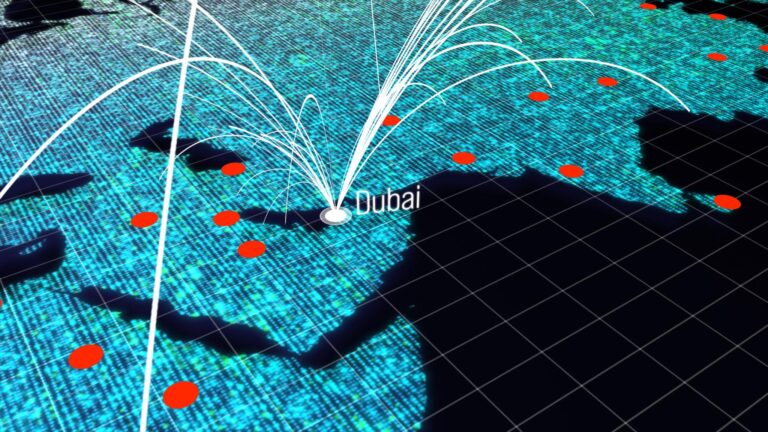
Dubai has established itself as one of the most influential trade centers in the world,…
The United Arab Emirates has achieved a historic milestone as its non-oil trade surpasses the…