July 17, 2024
Freight Forwarding Trends in UAE
The United Arab Emirates has become one of the most important logistics and trade centers…
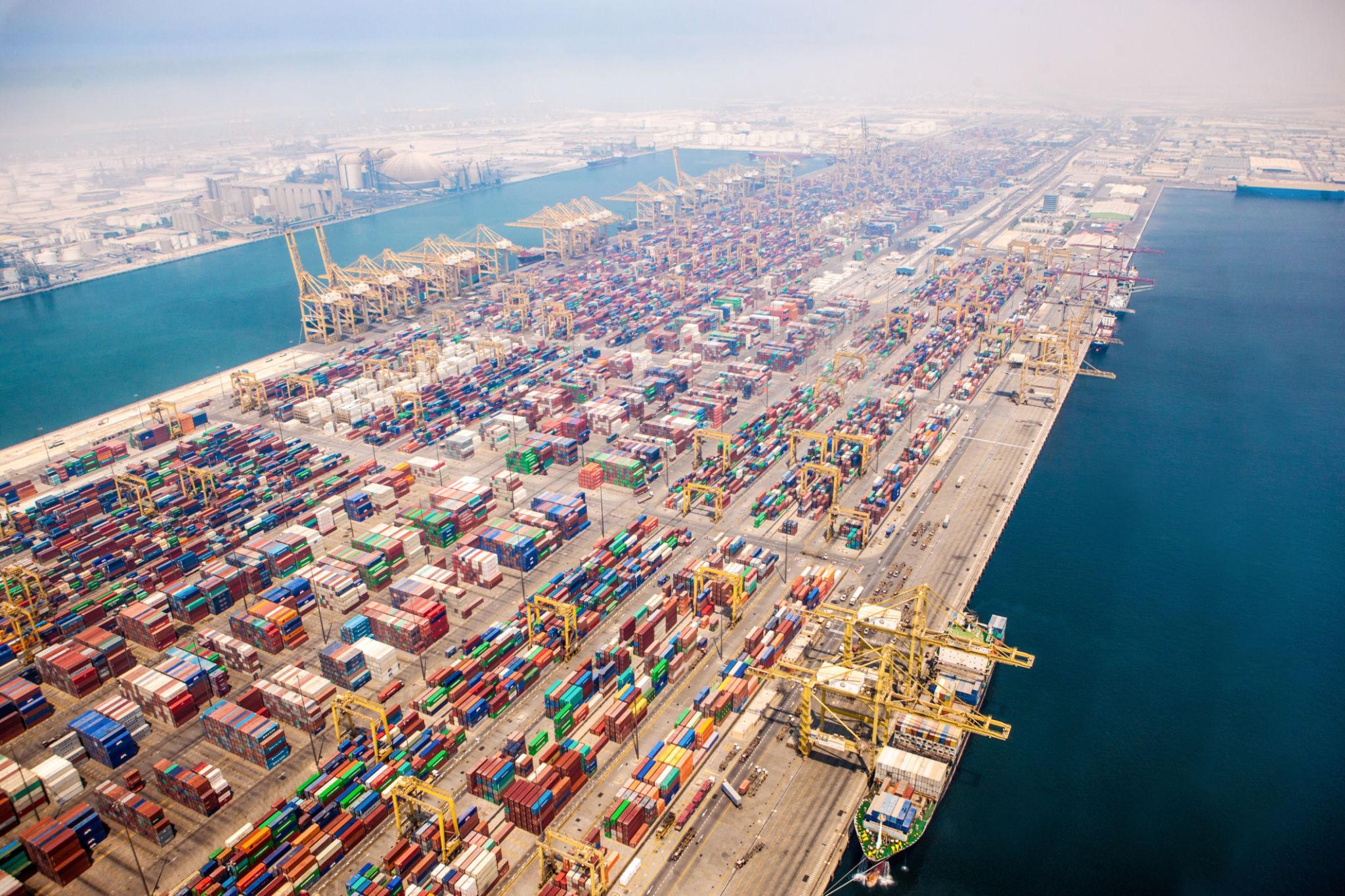
Dubai has established itself as one of the world’s most important regional distribution hubs. Strategically located between Asia, Europe, and Africa, the emirate serves as a central gateway for international trade and logistics. Businesses from around the world use Dubai as a base to distribute goods efficiently across multiple regions.
Over the past few decades, Dubai has invested heavily in ports, airports, logistics parks, and free zones to create a highly integrated trade ecosystem. These developments have enabled companies to manage supply chains efficiently and reach customers in emerging markets across the Middle East, Africa, and South Asia.
Dubai’s ability to handle large volumes of imports, exports, and re-exports has positioned the city as a critical node in global supply chains. Today, multinational corporations, logistics providers, and trading companies rely on Dubai’s advanced infrastructure to distribute products across regional markets.
This article explores how Dubai became a leading regional distribution hub, the advantages it offers businesses, and the factors that continue to strengthen its role in global logistics networks.
One of Dubai’s most significant advantages as a distribution hub is its geographic position. Located at the crossroads of major global trade routes, Dubai connects markets across three continents.
From Dubai, businesses can reach large populations across the Middle East, Africa, South Asia, and parts of Europe within a relatively short flight time. This accessibility allows companies to manage regional distribution networks efficiently.
Many global companies choose Dubai as their regional headquarters because it allows them to oversee operations across multiple markets from a single location.
The city’s proximity to emerging economies also provides access to rapidly growing consumer markets that offer significant opportunities for international trade.
Dubai’s advanced logistics infrastructure is a key factor supporting its role as a regional distribution hub. The city is home to some of the most sophisticated ports and airports in the world.
Jebel Ali Port is the largest container port in the Middle East and one of the busiest maritime gateways globally. It connects Dubai to hundreds of international shipping routes and supports large-scale cargo handling operations.
Dubai International Airport and Al Maktoum International Airport handle millions of tonnes of cargo annually, enabling rapid transportation of goods across global markets.
The integration of maritime, air, and land transportation systems allows companies to move goods efficiently between warehouses, ports, and final destinations.
Free zones have played a major role in establishing Dubai as a regional distribution center. These specialized economic zones provide businesses with favorable operating conditions and simplified regulatory frameworks.
Companies operating in free zones benefit from advantages such as full foreign ownership, tax incentives, and streamlined customs procedures.
Many free zones are strategically located near ports and airports, allowing businesses to manage import and export activities efficiently.
This proximity enables companies to establish distribution centers that support rapid movement of goods across international markets.
Dubai’s role as a re-export hub is one of the main reasons it has become a regional distribution center. Re-exporting involves importing goods into Dubai and then exporting them to other markets without major processing.
This model allows businesses to consolidate products from various countries and distribute them to regional markets efficiently.
Re-export trade forms a significant portion of the UAE’s total foreign trade, demonstrating the country’s importance in international supply chains.
Dubai’s efficient customs procedures and logistics networks make it easier for companies to manage re-export operations.
Companies operating in Dubai benefit from advanced supply chain management solutions that enhance operational efficiency. Modern logistics technologies enable businesses to track shipments, manage inventory, and coordinate distribution activities in real time.
Digital supply chain platforms allow companies to monitor goods as they move through ports, warehouses, and transportation networks.
This level of visibility improves decision-making and helps businesses respond quickly to changes in demand or supply chain disruptions.
Efficient supply chain management systems are essential for maintaining reliable distribution operations across multiple markets.
Dubai’s logistics ecosystem is closely integrated with global trade networks. International shipping companies, freight forwarders, and logistics providers operate extensive networks that connect Dubai to markets around the world.
This connectivity allows businesses to transport goods quickly between manufacturing centers and consumer markets.
Many multinational companies use Dubai as a central distribution point for products manufactured in Asia and destined for markets across the Middle East and Africa.
The emirate’s connectivity strengthens its role as a key logistics gateway in global trade.
The rise of e-commerce has further strengthened Dubai’s position as a regional distribution hub. Online retailers require efficient logistics networks to deliver products quickly to customers across different countries.
Dubai’s advanced warehousing facilities and fulfillment centers support e-commerce businesses by enabling rapid order processing and distribution.
Companies can store inventory in Dubai and ship products to customers across the region using efficient courier networks.
This approach allows businesses to provide faster delivery services while reducing shipping costs.
The UAE government has implemented several initiatives to support the growth of logistics and trade sectors. These programs aim to strengthen Dubai’s position as a global distribution hub.
National economic strategies emphasize investment in infrastructure, digital trade platforms, and supply chain innovation.
Government authorities also promote trade facilitation measures that reduce administrative barriers and simplify customs processes.
These initiatives help attract international companies and encourage continued investment in logistics infrastructure.
Dubai provides businesses with convenient access to emerging markets across the Middle East, Africa, and South Asia. These regions are experiencing rapid economic growth and increasing demand for imported goods.
Companies operating from Dubai can distribute products to multiple countries through established logistics networks.
This regional reach allows businesses to expand into new markets while maintaining centralized logistics operations.
For many companies, Dubai serves as the ideal base for managing regional distribution strategies.
Dubai’s position as a distribution hub creates significant opportunities for international companies seeking to expand their presence in regional markets.
Businesses can establish regional headquarters, distribution centers, and logistics operations in Dubai to support global trade activities.
The city’s business-friendly regulatory environment and strong infrastructure make it easier for companies to scale their operations.
As a result, Dubai continues to attract multinational corporations across industries such as electronics, consumer goods, pharmaceuticals, and automotive sectors.
The future of Dubai as a regional distribution hub looks highly promising. Continued investments in logistics infrastructure, digital trade systems, and transportation networks are expected to strengthen the emirate’s role in global supply chains.
Emerging technologies such as automation, artificial intelligence, and smart logistics platforms will further improve efficiency across distribution networks.
Dubai’s long-term economic strategies aim to enhance trade connectivity and attract international investment in logistics and supply chain industries.
These developments will likely reinforce Dubai’s position as one of the world’s most important distribution centers.
Dubai’s transformation into a regional distribution hub reflects decades of strategic investment, forward-thinking policies, and strong global connectivity. With its geographic advantages, world-class logistics infrastructure, and supportive business environment, the city provides companies with an efficient platform for regional trade.
Businesses that establish distribution operations in Dubai gain access to emerging markets, advanced supply chain systems, and reliable transportation networks.
As global trade continues to evolve, Dubai is expected to remain a central gateway for international distribution and logistics operations.
For companies seeking to expand their reach across multiple regions, Dubai offers a powerful platform to manage and scale distribution networks efficiently.
The United Arab Emirates has become one of the most important logistics and trade centers…
The global trade logistics industry is undergoing a major technological transformation, and artificial intelligence (AI)…
Global supply chains have undergone significant transformation in recent years. Rapid technological advancements, shifting geopolitical…