
December 31, 2025
UAE Economy Outlook for 2026
The United Arab Emirates continues to strengthen its position as one of the most dynamic…
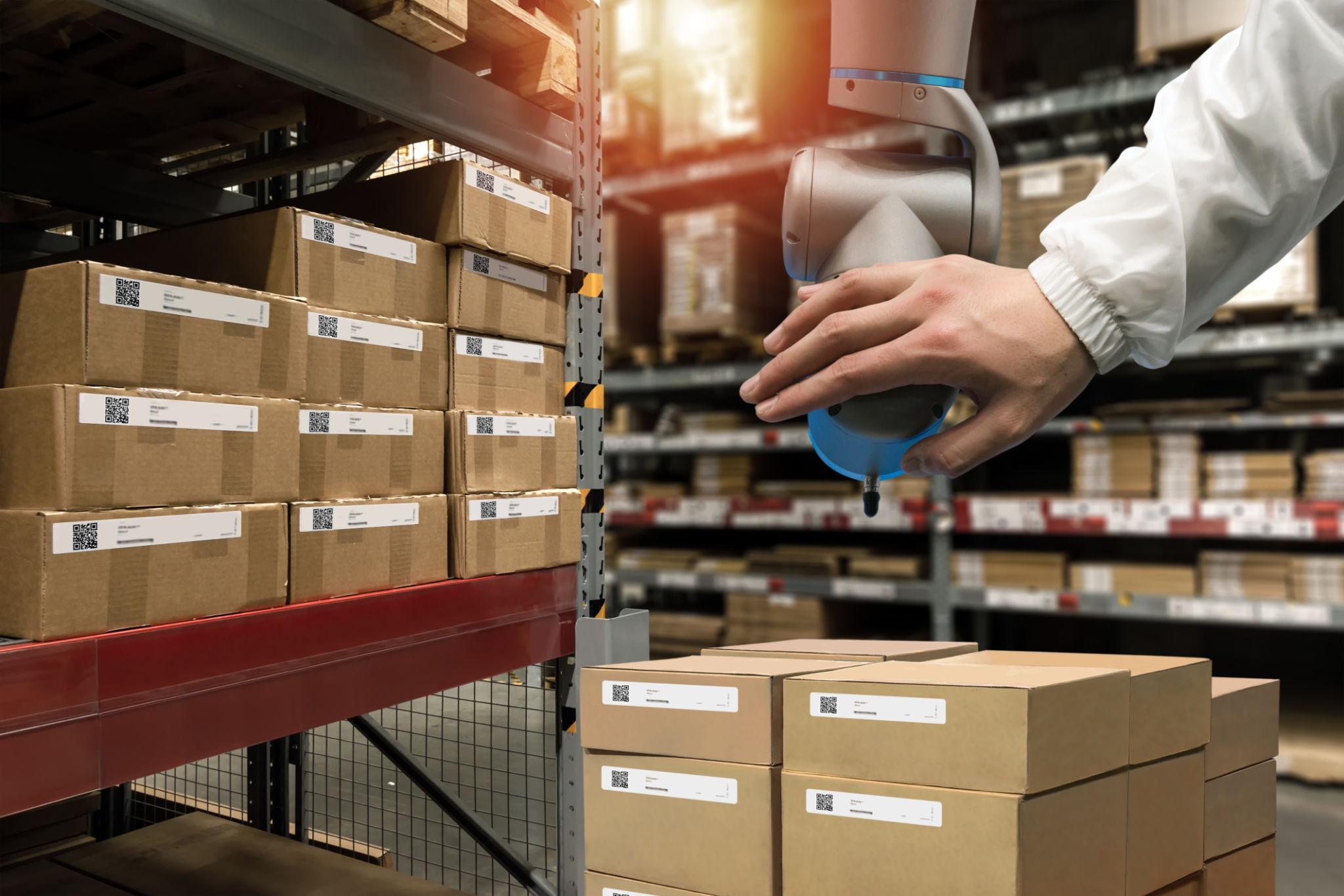
Global supply chains are evolving rapidly as businesses adapt to changing market demands, technological innovation, and expanding international trade networks. Companies involved in manufacturing, logistics, and distribution are continuously refining their supply chain strategies to improve efficiency, resilience, and global connectivity.
The United Arab Emirates has emerged as a major logistics and trade hub that supports modern supply chain operations. Dubai’s advanced infrastructure, integrated logistics networks, and strong global trade partnerships enable businesses to manage international supply chains effectively.
Understanding the latest supply chain trends helps companies remain competitive in global markets and respond to emerging opportunities. Businesses that embrace innovation and strategic planning can build stronger and more resilient supply networks.
This article explores key global supply chain trends that are shaping the future of international trade and logistics.
Technology is playing a central role in transforming supply chain operations. Businesses are increasingly using digital platforms to manage inventory, track shipments, and coordinate logistics activities.
Advanced data analytics provides insights into supply chain performance and helps companies identify opportunities for improvement.
Automation systems allow companies to streamline logistics operations and reduce manual processes.
Digital transformation improves efficiency and transparency across supply chains.
The expansion of e-commerce has significantly increased the demand for fast and reliable logistics services. Businesses must develop supply chains that support rapid order fulfillment and global distribution.
Regional fulfillment centers allow companies to store products closer to consumers.
Efficient last-mile delivery networks ensure timely product delivery.
E-commerce continues to reshape global supply chain strategies.
Many businesses are diversifying their supply chains to reduce operational risks and improve resilience. Companies are sourcing products from multiple regions and establishing alternative logistics routes.
Diversified supply chains help businesses adapt to market changes and ensure consistent product availability.
This approach also strengthens supply chain stability.
Businesses can maintain operations even when disruptions occur.
Regional distribution hubs are becoming increasingly important for managing international supply chains. Businesses establish centralized logistics centers that serve multiple markets.
Dubai is a leading example of a regional logistics hub connecting global supply chains.
Companies can import products into Dubai and distribute them across the Middle East, Africa, and South Asia.
This model improves distribution efficiency and reduces transportation times.
Sustainability is becoming a key focus in supply chain management. Businesses are exploring ways to reduce environmental impact through efficient transportation, energy-efficient warehouses, and sustainable packaging solutions.
Companies are also optimizing logistics routes to reduce fuel consumption.
Sustainable practices support long-term environmental responsibility.
These initiatives also improve operational efficiency.
Automation technologies are transforming warehouse operations. Automated storage systems, robotics, and digital inventory management tools allow businesses to manage large volumes of goods efficiently.
Smart warehouses improve order accuracy and speed up distribution processes.
Companies can monitor inventory levels in real time.
Automation enhances supply chain productivity.
Real-time visibility is becoming a critical requirement for modern supply chain management. Businesses want to monitor shipments and logistics operations throughout the supply chain.
Digital tracking systems allow companies to track cargo movement across international transportation networks.
Real-time data helps businesses identify delays and respond quickly to potential issues.
Improved visibility strengthens supply chain control.
International trade partnerships are expanding supply chain networks across different regions. Trade agreements and economic partnerships allow businesses to access new markets and establish international supply relationships.
These partnerships encourage cross-border collaboration between manufacturers, suppliers, and distributors.
Companies benefit from improved trade connectivity.
Global partnerships strengthen supply chain networks.
Artificial intelligence is increasingly being used to optimize supply chain management. AI-powered systems analyze large datasets to predict demand patterns and optimize logistics operations.
Businesses can use predictive analytics to plan inventory levels and transportation schedules.
AI also supports risk management and supply chain forecasting.
These technologies improve decision-making capabilities.
Modern supply chains are designed to be more flexible and resilient. Businesses are developing contingency plans and alternative logistics routes to ensure operational continuity.
Flexible supply chains allow companies to adapt quickly to market changes.
Businesses can maintain product availability even during disruptions.
Resilience is becoming a key priority in supply chain planning.
The future of global supply chains will continue to be shaped by technological innovation, digital trade systems, and expanding international partnerships. Businesses that invest in modern logistics solutions will remain competitive in global markets.
Dubai’s logistics ecosystem will continue to support global supply chain operations through advanced infrastructure and strong trade connectivity.
Companies that embrace innovation will build stronger and more efficient supply networks.
The evolution of supply chains will continue to support global economic growth.
Global supply chains are evolving as businesses adopt new technologies, diversify sourcing strategies, and expand international partnerships. These trends are transforming how companies manage logistics operations and connect with global markets.
The UAE, particularly Dubai, provides a powerful platform for modern supply chain management with its world-class infrastructure and global trade connectivity.
Businesses that understand and adapt to emerging supply chain trends can improve operational efficiency and strengthen their international presence.
As global trade continues to expand, innovative supply chain strategies will remain essential for long-term business success.
The United Arab Emirates continues to strengthen its position as one of the most dynamic…
The United Arab Emirates has established itself as one of the most dynamic trading economies…
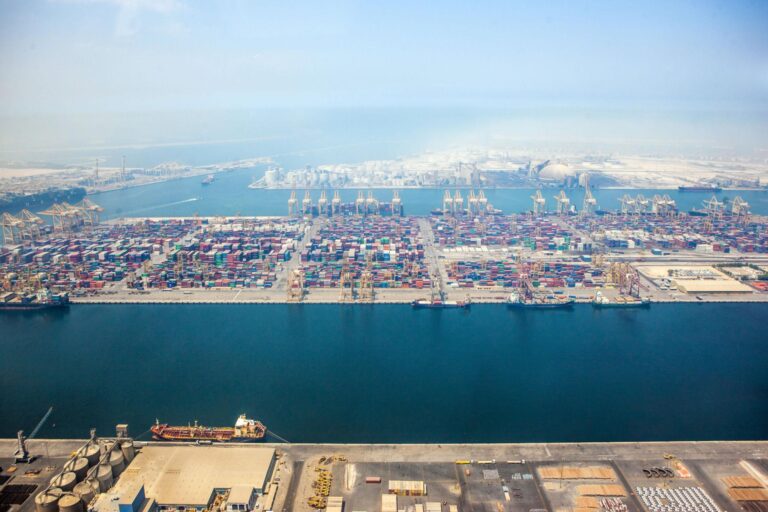
Dubai has established itself as one of the most important global trade hubs, connecting businesses…