November 26, 2025
Distribution Business Opportunities in UAE
The United Arab Emirates has developed into one of the most influential commercial hubs in…
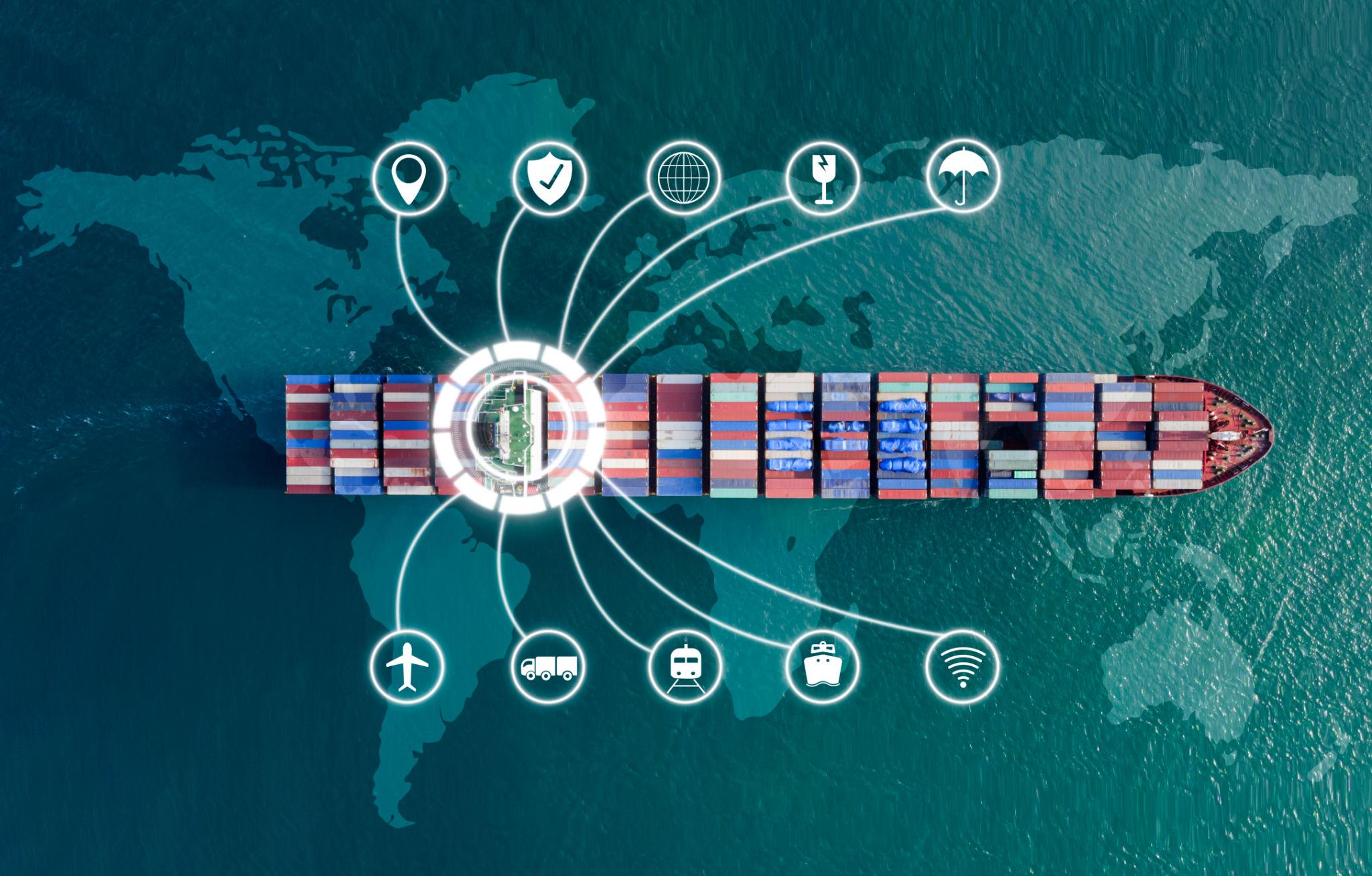
The United Arab Emirates has become one of the most active trading centers in the world, offering businesses strong opportunities in import and distribution activities. With its strategic geographic location, advanced logistics infrastructure, and efficient regulatory systems, the UAE provides an ideal platform for companies looking to import products and distribute them across regional and international markets.
Dubai plays a central role in the country’s import and distribution ecosystem. The emirate’s world-class ports, international airports, logistics parks, and warehousing facilities enable businesses to manage global supply chains efficiently. Companies operating in Dubai can import goods from international manufacturers and distribute them across the Middle East, Africa, South Asia, and beyond.
As global trade continues to expand, the demand for efficient distribution networks and supply chain management services is increasing. Businesses that establish import and distribution operations in the UAE can take advantage of the country’s strong trade connectivity and growing regional markets.
This article explores key import and distribution opportunities available to businesses operating in the UAE.
The UAE’s geographic position between Asia, Europe, and Africa provides a significant advantage for import and distribution operations. From Dubai, businesses can reach major consumer markets within relatively short transit times.
This strategic location allows companies to establish regional distribution centers that serve multiple countries.
Global shipping routes and air cargo networks further strengthen connectivity.
Dubai continues to serve as a gateway for regional and international trade.
The UAE imports a wide range of products to support its growing economy and diverse consumer markets. Consumer electronics, machinery, construction materials, food products, and household goods are among the most commonly imported items.
Businesses involved in importing these products can benefit from strong demand across retail and industrial sectors.
Import activities also support re-export operations to neighboring markets.
This demand creates consistent opportunities for trading companies.
Dubai’s advanced logistics infrastructure plays a vital role in supporting import and distribution operations. The emirate’s ports, airports, highways, and logistics zones provide seamless connectivity between international suppliers and regional markets.
Integrated transportation systems allow goods to move efficiently across multiple transportation modes.
Modern cargo handling facilities support high-volume trade operations.
This infrastructure strengthens supply chain efficiency.
Free zones across Dubai offer ideal environments for businesses managing import and distribution activities. These zones provide modern warehouses, distribution centers, and streamlined regulatory processes.
Companies operating in free zones can store imported goods and distribute them to regional markets.
Many multinational corporations establish logistics hubs within these zones.
Free zones support efficient international trade operations.
Re-export trade is a key feature of the UAE’s trading model. Businesses can import goods into Dubai and redistribute them to other countries without significant modification.
This model allows companies to serve markets across the Middle East, Africa, and South Asia from a central logistics hub.
Dubai’s ports and logistics facilities support efficient re-export operations.
Re-export trade strengthens regional supply chains.
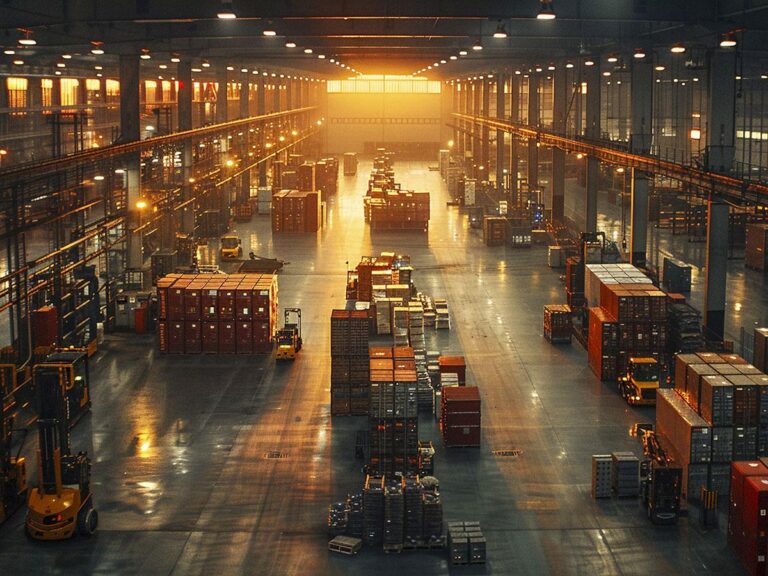
Modern warehousing facilities are essential for managing large-scale distribution operations. Dubai offers advanced storage facilities equipped with digital inventory management systems and automated handling technologies.
Businesses can store products close to transportation hubs and distribute them efficiently.
Warehousing services support efficient inventory control and order fulfillment.
These facilities enhance supply chain performance.
The rapid growth of e-commerce has increased demand for efficient distribution networks. Dubai’s logistics infrastructure supports online retailers and cross-border digital trade.
Regional fulfillment centers allow businesses to store inventory and deliver products quickly to customers.
Efficient last-mile delivery networks support e-commerce growth.
This trend is creating new distribution opportunities.
Successful distribution operations require strong partnerships with logistics providers, wholesalers, and regional distributors. Businesses often collaborate with local partners to expand their market reach.
These partnerships help companies deliver products efficiently across multiple markets.
Reliable distribution networks strengthen supply chain operations.
Strategic partnerships support long-term growth.
The UAE offers a strong financial ecosystem that supports import and distribution businesses. Companies can access trade finance services, banking support, and logistics financing solutions.
Financial institutions provide tools such as letters of credit and supply chain financing.
These services help businesses manage international transactions securely.
Financial support strengthens trading operations.
International companies can benefit significantly from establishing distribution operations in the UAE. By setting up regional hubs in Dubai, businesses can manage inventory, logistics, and distribution activities efficiently.
Access to global trade routes allows companies to serve multiple international markets from a single location.
This operational efficiency supports international expansion strategies.
Dubai continues to attract global distribution companies.
The future of import and distribution opportunities in the UAE remains highly promising. Continued investment in logistics infrastructure, digital trade platforms, and transportation networks will further strengthen the country’s position as a global trade hub.
Businesses operating in Dubai will continue to benefit from expanding regional markets and strong trade connectivity.
Innovations in supply chain technology will further improve distribution efficiency.
The UAE will remain a key gateway for international trade and logistics.
The UAE offers significant opportunities for businesses involved in import and distribution activities. Through its strategic location, world-class logistics infrastructure, and efficient trade systems, the country provides a powerful platform for managing international supply chains.
Dubai’s role as a global trade hub allows companies to import products from global suppliers and distribute them across regional markets efficiently.
By leveraging modern logistics facilities, digital trade platforms, and strategic partnerships, businesses can build strong distribution networks and expand their global reach.
As international trade continues to grow, the UAE will remain a leading destination for import and distribution operations.
The United Arab Emirates has developed into one of the most influential commercial hubs in…
Import planning plays a crucial role in successful international trade operations. Businesses involved in importing…
Emerging markets are becoming increasingly important for global trade as developing economies experience rapid growth,…