November 26, 2025
Distribution Business Opportunities in UAE
The United Arab Emirates has developed into one of the most influential commercial hubs in…
The United Arab Emirates has established itself as one of the most dynamic trading economies in the world. With its strategic geographic location, advanced logistics infrastructure, and strong global trade partnerships, the UAE plays a crucial role in facilitating international commerce across the Middle East, Africa, and South Asia.
Imports form an essential part of the UAE’s trade ecosystem. Businesses import a wide range of products from global manufacturing centers and distribute them across domestic and regional markets. Dubai, in particular, serves as a major gateway where goods enter the country and are distributed through efficient logistics networks.
The diversity of imported goods reflects the UAE’s role as a global trading hub and a vibrant consumer market. From technology products and industrial equipment to food items and consumer goods, imports support multiple industries and contribute to economic growth.
This article explores the top import categories driving trade in the UAE and explains how these sectors contribute to the country’s expanding global commerce network.
Electronics and technology products represent one of the largest import categories in the UAE. The country imports a wide range of electronic devices, including smartphones, computers, home appliances, and advanced communication equipment.
These products are sourced from major manufacturing centers across Asia and other regions.
Dubai serves as a regional distribution hub for electronics, allowing businesses to import products and distribute them to markets across the Middle East and Africa.
Growing consumer demand for modern technology continues to drive this import segment.
Industrial machinery and equipment are essential imports that support infrastructure development, manufacturing, and construction projects across the UAE.
Companies import heavy machinery, production equipment, and specialized industrial tools to support industrial growth.
These imports play a crucial role in sectors such as construction, energy, manufacturing, and logistics.
Access to advanced machinery allows businesses to maintain high productivity and operational efficiency.
The UAE is a major importer of automobiles and automotive components. Vehicles from international manufacturers are imported into the country to meet strong consumer demand and support transportation industries.
Automotive components and spare parts are also widely imported to support maintenance and repair services.
Dubai serves as a key distribution center for vehicles and automotive products across regional markets.
This sector contributes significantly to the UAE’s international trade activity.
Precious metals and jewelry are important components of the UAE’s trade ecosystem. Gold, silver, diamonds, and other precious stones are imported into the country for trading, manufacturing, and retail distribution.
Dubai has developed a strong reputation as a global hub for the gold and jewelry trade.
Many international traders and manufacturers operate within the emirate’s specialized trading districts and free zones.
This sector plays a vital role in the UAE’s global trade network.
Food imports are essential for supporting the UAE’s diverse and growing population. The country imports a wide variety of agricultural products, packaged foods, beverages, and fresh produce from international suppliers.
Supermarkets, restaurants, and hospitality businesses rely on these imports to meet consumer demand.
Dubai’s advanced logistics and cold chain infrastructure ensure that food products are stored and transported efficiently.
This import category supports both retail and hospitality industries.
Consumer goods represent another major import category in the UAE. Products such as clothing, furniture, home décor items, and personal care products are imported from international markets.
Retailers and distributors rely on these imports to supply shopping malls, retail stores, and e-commerce platforms.
Dubai’s role as a retail and distribution hub allows businesses to import consumer products and distribute them across regional markets.
Growing retail demand continues to support this sector.
The healthcare sector relies heavily on imported pharmaceuticals and medical equipment. Hospitals, clinics, and healthcare providers import medicines, medical devices, and diagnostic equipment from international manufacturers.
These imports support the UAE’s advanced healthcare system.
Strict regulatory standards ensure that medical products meet safety and quality requirements.
The healthcare sector continues to expand as the country invests in advanced medical services.
Construction materials are widely imported to support infrastructure development and urban expansion projects across the UAE.
Materials such as steel, cement, glass, and specialized building components are sourced from global suppliers.
These imports contribute to large-scale construction projects, including commercial developments, residential communities, and transportation infrastructure.
The construction sector plays a key role in the country’s economic growth.
Textiles and apparel are important imports supporting the UAE’s fashion and retail industries. Clothing brands and retailers import garments, fabrics, and accessories from global manufacturing centers.
Dubai serves as a distribution hub where fashion products are imported and supplied to retail markets across the region.
International fashion brands operate stores and distribution centers in the city.
This sector contributes to the UAE’s vibrant retail landscape.
The UAE’s advanced logistics infrastructure plays a vital role in supporting import activities. Modern ports, airports, and logistics zones enable businesses to manage shipments efficiently.
Dubai’s Jebel Ali Port and major cargo airports handle large volumes of international trade.
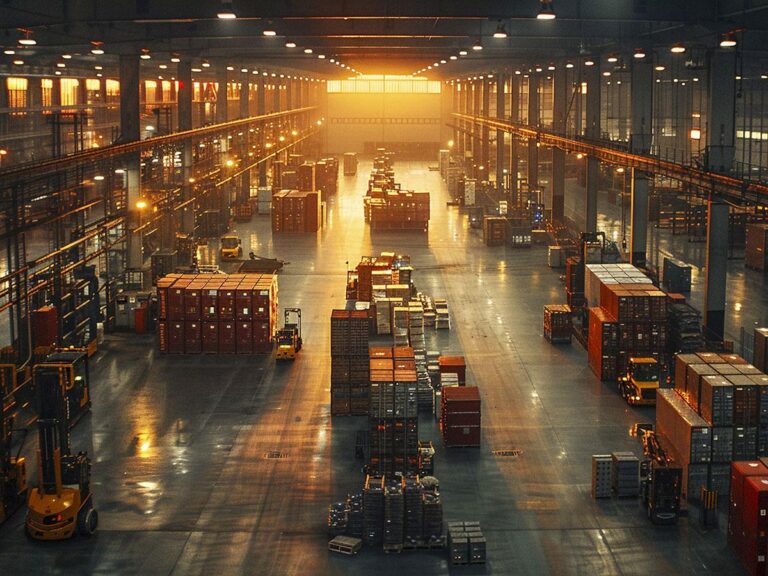
Warehousing facilities and distribution centers allow companies to store imported goods and deliver them to retailers and distributors.
This infrastructure supports the smooth flow of goods through international supply chains.
The future of imports in the UAE looks highly promising as the country continues to strengthen its global trade connections. Continued investment in infrastructure, logistics technology, and digital trade platforms will further enhance import efficiency.
Growing consumer demand and expanding industries will continue to drive imports across multiple sectors.
Dubai’s strategic position as a global trade hub ensures that the emirate will remain a key gateway for international goods entering regional markets.
Businesses involved in international trade will continue to benefit from the UAE’s dynamic import ecosystem.
The UAE’s import sector supports a wide range of industries, including technology, construction, healthcare, retail, and manufacturing. These imports ensure that businesses and consumers have access to products from global markets.
Dubai’s advanced logistics infrastructure and global trade connections make it a central hub for import and distribution activities.
By leveraging efficient supply chains and international partnerships, businesses can successfully participate in the UAE’s vibrant trade ecosystem.
As global commerce continues to expand, imports will remain a vital component of the UAE’s economic growth and international trade leadership.
The United Arab Emirates has developed into one of the most influential commercial hubs in…
Import planning plays a crucial role in successful international trade operations. Businesses involved in importing…
Emerging markets are becoming increasingly important for global trade as developing economies experience rapid growth,…