March 25, 2026
Future Outlook for UAE Goods Trading
The United Arab Emirates has firmly established itself as one of the world’s most influential…
The United Arab Emirates has established itself as one of the most influential global trading centers, connecting businesses with markets across Asia, Europe, Africa, and the Americas. Importers operating in the UAE benefit from world-class logistics infrastructure, efficient customs systems, and strong international trade partnerships that enable smooth and reliable supply chain operations.
As global commerce continues to evolve, market trends play an important role in shaping import strategies for businesses. Shifts in consumer demand, technological advancements, supply chain innovations, and global economic developments influence how goods are sourced and transported.
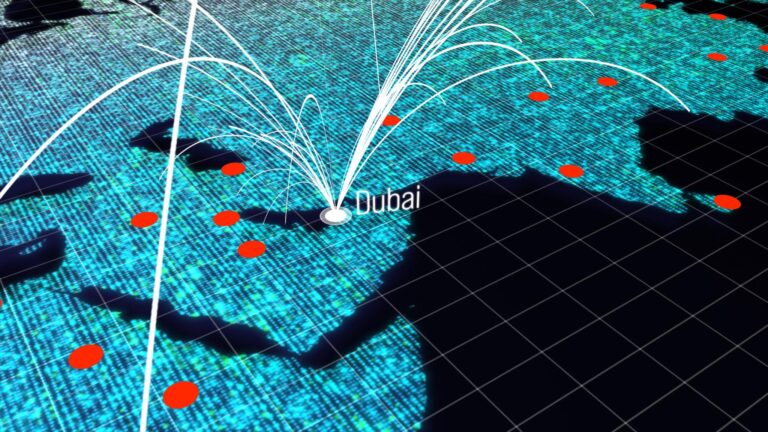
Dubai serves as a key hub for import activities in the region. With its strategic geographic location and advanced logistics capabilities, the city allows businesses to bring products from international manufacturers and distribute them across regional markets efficiently.
This article explores the key global market trends affecting UAE importers and highlights how businesses can adapt their strategies to benefit from these developments.
Global trade networks are becoming increasingly interconnected as transportation systems and logistics technologies continue to advance. Businesses can now access suppliers and manufacturers across multiple regions more efficiently than ever before.
The UAE plays a vital role in this global trade network by providing strong connections to international shipping routes and air cargo networks.
Importers in the UAE benefit from these connections by gaining access to diverse sourcing opportunities across global markets.
This connectivity enables companies to build flexible supply chains that support reliable product availability.
Manufacturing capabilities are expanding across several emerging economies. Countries in Asia and other developing regions have become important production centers for a wide range of consumer and industrial products.
UAE importers often source goods from these manufacturing hubs to supply regional markets.
The availability of diverse manufacturing options allows businesses to select suppliers that meet quality, cost, and delivery requirements.
This trend provides importers with greater flexibility when building international supplier networks.
Consumer demand across the Middle East, Africa, and South Asia continues to grow as populations expand and living standards rise. This demand drives the import of various goods, including electronics, household products, food items, and lifestyle products.
Retailers and distributors rely on UAE importers to supply these products efficiently.
Dubai’s position as a regional distribution hub allows businesses to import goods and distribute them to neighboring markets through efficient logistics networks.
This demand creates strong opportunities for businesses engaged in international sourcing.
Technology is transforming the way businesses manage international trade. Digital platforms simplify many aspects of import operations, including supplier communication, logistics coordination, and customs documentation.
Online trade platforms allow importers to connect with suppliers across the world and manage procurement processes more efficiently.
Digital supply chain systems also provide real-time visibility into shipments and inventory levels.
These technologies improve operational efficiency and enhance supply chain transparency.
Logistics innovation is helping importers manage global supply chains more effectively. Modern shipping solutions, smart warehousing systems, and advanced transportation networks enable faster movement of goods.
Dubai’s logistics infrastructure plays a key role in supporting these supply chains.
The emirate’s ports, airports, and distribution centers allow businesses to handle large volumes of cargo efficiently.
This infrastructure supports reliable and timely delivery of imported goods.
The rapid growth of e-commerce has significantly influenced import activities in the UAE. Online retailers require a steady supply of products sourced from international manufacturers.
Importers play a key role in bringing these products into regional markets.
E-commerce businesses often store imported products in regional fulfillment centers before distributing them to customers.
Dubai’s advanced warehousing and logistics infrastructure supports fast order fulfillment and efficient distribution.
Businesses are increasingly diversifying their supplier networks to enhance supply chain flexibility. Importers may source products from multiple regions to ensure reliable product availability.
This strategy allows companies to respond quickly to market demand while maintaining efficient operations.
Diversified sourcing also allows businesses to access new product innovations from global manufacturing centers.
UAE importers benefit from strong international trade connections that support diversified sourcing strategies.
Transportation innovations are improving the efficiency of global shipping operations. Freight forwarders are adopting advanced logistics technologies that optimize cargo handling and shipping routes.
Real-time tracking systems allow businesses to monitor shipments throughout the transportation process.
These technologies provide greater visibility and improve supply chain coordination.
Efficient freight services support smooth import operations for businesses in the UAE.
International trade partnerships play an important role in supporting global commerce. Strong economic relationships between countries encourage the exchange of goods and services.
The UAE maintains strong trade relationships with markets across Asia, Europe, Africa, and the Americas.
These partnerships enable importers to access global suppliers and expand their sourcing networks.
Dubai’s global connectivity continues to support strong international trade relationships.
Global market trends create numerous opportunities for UAE importers. Businesses that adapt to evolving consumer demand and supply chain innovations can strengthen their market position.
Importers can explore new product categories, develop partnerships with international suppliers, and expand into emerging markets.
Dubai’s advanced trade ecosystem provides the infrastructure and connectivity needed to support these opportunities.
Companies that leverage these advantages can grow their international trade operations successfully.
The future outlook for import businesses in the UAE remains highly promising. Continued investments in logistics infrastructure, digital trade systems, and global partnerships will further strengthen the country’s position in international commerce.
Emerging consumer markets and technological innovations will continue to shape global trade patterns.
Dubai’s strategic role as a global trade hub ensures that businesses operating in the UAE will remain well connected to international supply chains.
Importers who stay informed about global market trends can continue to expand their operations and meet growing regional demand.
Global market trends are continuously shaping the landscape of international trade. For UAE importers, understanding these developments is essential for maintaining efficient supply chains and identifying new business opportunities.
Dubai’s world-class logistics infrastructure, strong international connectivity, and supportive business environment provide a powerful platform for import operations.
By adapting to evolving global trends and leveraging the UAE’s strategic advantages, importers can strengthen their businesses and expand their reach across regional markets.
As global commerce continues to grow, the UAE will remain a key gateway connecting international suppliers with emerging markets around the world.
The United Arab Emirates has firmly established itself as one of the world’s most influential…
Dubai has established itself as one of the most influential trade centers in the world,…

The United Arab Emirates has achieved a historic milestone as its non-oil trade surpasses the…