March 18, 2026
Trade Opportunities in GCC Markets
The Gulf Cooperation Council (GCC) region has emerged as one of the most dynamic and…
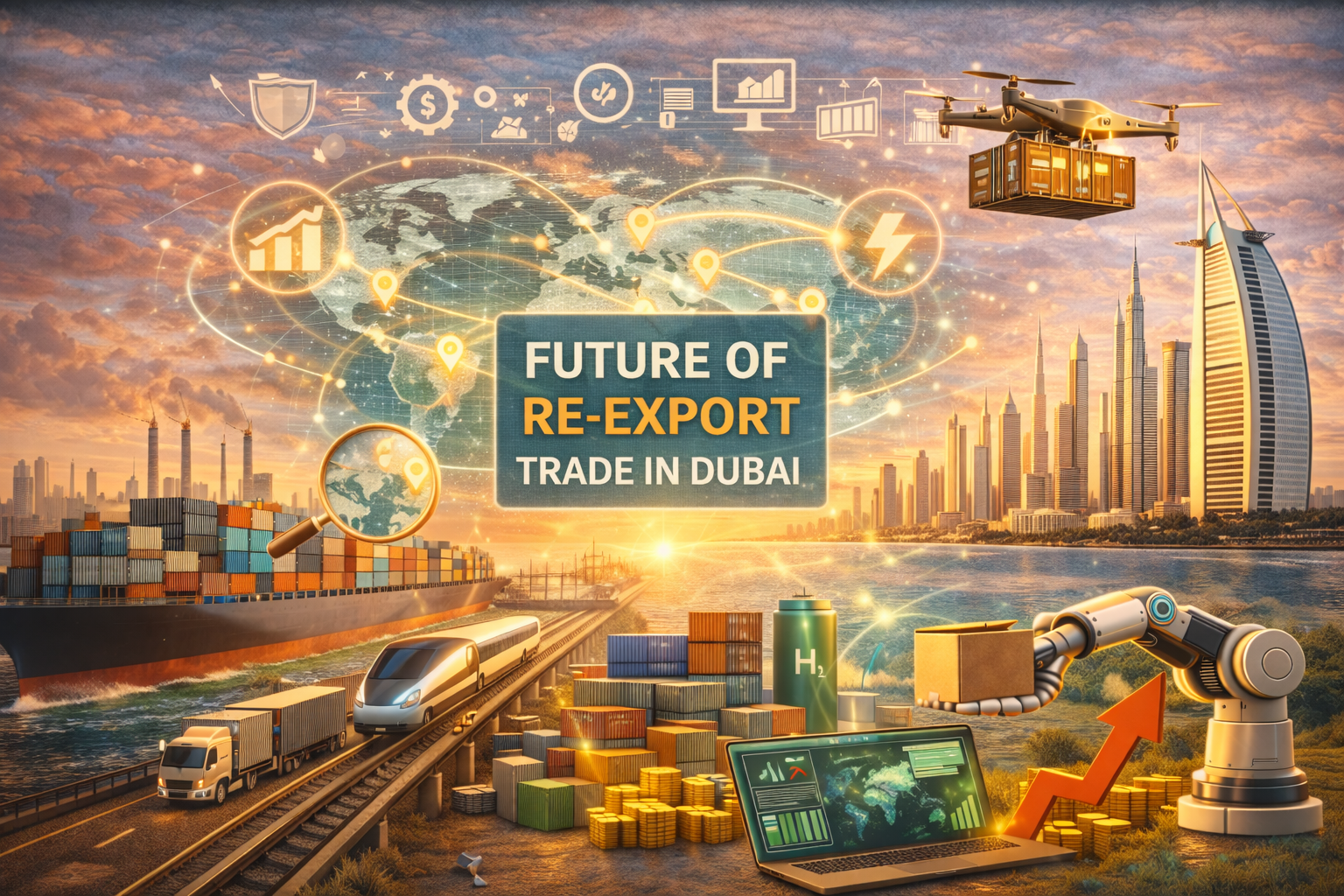
Dubai has long been recognized as one of the world’s most influential re-export centers. Through its strategic geographic location, advanced logistics infrastructure, and business-friendly trade environment, the emirate has developed a powerful ecosystem that supports the redistribution of goods across multiple regions. Re-export trade allows businesses to import products into Dubai and then export them to other markets without significant modification.
This model has become a cornerstone of Dubai’s global trade success. Companies from around the world use Dubai as a central hub for distributing goods to markets across the Middle East, Africa, South Asia, and beyond. With efficient supply chains and strong international connectivity, the emirate continues to strengthen its position as a global distribution gateway.
Looking ahead, the future of re-export trade in Dubai appears highly promising. Continued investment in infrastructure, digital trade systems, and international partnerships is expected to further expand the emirate’s role in global commerce.
This article explores the factors shaping the future of re-export trade in Dubai and highlights the opportunities that lie ahead for international traders and businesses.
Re-export trade involves importing goods into a country and then exporting them to other markets without major transformation. Dubai’s re-export ecosystem allows businesses to consolidate shipments from multiple suppliers and distribute them to regional markets efficiently.
Companies operating in Dubai benefit from streamlined customs procedures, modern logistics services, and strong international trade connections.
This system allows products from manufacturing centers in Asia, Europe, and other regions to reach emerging markets quickly.
As global supply chains continue to evolve, re-export trade remains an essential component of international commerce.
Dubai’s geographic position between major global markets is one of the key reasons for its success as a re-export hub. The emirate sits at the crossroads of international trade routes connecting Asia, Europe, and Africa.
From Dubai, businesses can reach large populations across the Middle East, Africa, and South Asia within relatively short transportation times.
This strategic location enables companies to establish regional distribution centers that serve multiple markets.
Dubai’s connectivity continues to strengthen its role in global trade networks.
Dubai’s logistics infrastructure plays a crucial role in supporting re-export activities. The emirate operates some of the most advanced ports, airports, and logistics facilities in the world.
Jebel Ali Port serves as one of the largest container ports globally and connects shipping routes across multiple continents.
Dubai International Airport and Al Maktoum International Airport support efficient air cargo operations for high-value and time-sensitive shipments.
This integrated transportation network allows businesses to move goods quickly through global supply chains.
Dubai’s free zones are key drivers of re-export trade. These zones provide specialized environments designed to support international commerce and logistics operations.
Businesses operating in free zones benefit from efficient trade facilitation systems, modern infrastructure, and streamlined customs procedures.
Many global companies establish distribution centers in these zones to manage regional supply chains.
This ecosystem enables companies to import, store, and re-export goods efficiently.
Digital technologies are transforming the way re-export trade operates. Advanced trade platforms and logistics management systems allow businesses to manage documentation, shipments, and supply chains more efficiently.
Electronic customs clearance systems simplify import and export procedures, reducing processing times.
Real-time tracking technologies allow traders to monitor shipments as they move across international transportation networks.
These digital innovations enhance efficiency and transparency across supply chains.
Dubai continues to strengthen its global trade relationships through partnerships with international markets. These connections create opportunities for businesses to expand re-export activities.
Trade relationships with Asia, Europe, Africa, and emerging economies enable companies to access diverse markets.
As global commerce continues to expand, Dubai’s position as a central distribution hub becomes even more valuable.
This network of trade connections supports continued growth in re-export activities.
The rapid expansion of e-commerce is creating new opportunities for re-export trade in Dubai. Online retailers often use regional fulfillment centers to store inventory and distribute products to customers across multiple countries.
Dubai’s logistics infrastructure supports fast order processing and efficient last-mile delivery networks.
E-commerce businesses can import products into Dubai and distribute them quickly to regional markets.
This trend is strengthening the emirate’s role as a digital commerce gateway.
Supply chain innovation is playing an increasingly important role in the future of re-export trade. Technologies such as artificial intelligence, automation, and advanced analytics help businesses optimize logistics operations.
Smart warehouses and automated distribution systems improve inventory management and shipment processing.
These innovations allow companies to handle larger trade volumes efficiently.
Technology-driven supply chains will continue to enhance Dubai’s competitiveness in global trade.
Dubai’s re-export ecosystem offers significant opportunities for international traders. Companies can establish distribution centers in the emirate and serve multiple regional markets from a single location.
This model allows businesses to optimize inventory management and reduce transportation costs.
Traders benefit from access to world-class logistics services, strong global connectivity, and efficient customs procedures.
These advantages make Dubai an ideal base for expanding international trade operations.
The future of re-export trade in Dubai is expected to remain highly dynamic as global trade volumes continue to grow. Investments in logistics infrastructure, digital technologies, and international partnerships will further strengthen the emirate’s role in global commerce.
Emerging markets across Africa, South Asia, and the Middle East are likely to drive demand for imported goods.
Dubai’s strategic location and advanced trade ecosystem position it to capture these opportunities.
The emirate will continue to play a key role in connecting global supply chains.
Re-export trade is a vital component of Dubai’s global trade success. Through its strategic location, advanced logistics infrastructure, and strong international partnerships, the emirate has built one of the world’s most efficient trade ecosystems.
Businesses operating in Dubai benefit from seamless connectivity to regional and international markets.
As technology continues to transform logistics and supply chain operations, the future of re-export trade in Dubai looks exceptionally promising.
Dubai’s continued investment in innovation and global partnerships ensures that it will remain a leading gateway for international trade and distribution.
The Gulf Cooperation Council (GCC) region has emerged as one of the most dynamic and…

The United Arab Emirates continues to strengthen its position as one of the world’s leading…
The United Arab Emirates has established itself as one of the most influential global trading…