March 25, 2026
Future Outlook for UAE Goods Trading
The United Arab Emirates has firmly established itself as one of the world’s most influential…
The United Arab Emirates has achieved remarkable progress in diversifying its economy beyond traditional energy sectors. One of the most significant developments in recent years has been the rapid expansion of non-oil trade, which now plays a central role in the country’s economic growth and global commercial influence.
Through strategic investments in infrastructure, international trade partnerships, advanced logistics systems, and supportive business policies, the UAE has positioned itself as one of the world’s most dynamic trading nations. Dubai, in particular, has emerged as a leading global hub for commerce, connecting businesses to markets across Asia, Europe, Africa, and beyond.
The expansion of non-oil trade reflects the UAE’s long-term economic vision focused on innovation, international collaboration, and sustainable growth. By strengthening industries such as logistics, manufacturing, technology, finance, and retail, the country has created a diversified trade ecosystem that attracts businesses from around the world.
This article explores the key factors driving the UAE’s non-oil trade expansion and explains how the country continues to strengthen its position as a global trade powerhouse.
Non-oil trade has become a vital pillar of the UAE’s economic development strategy. While energy resources remain important, the country has actively focused on building a diversified economy supported by multiple sectors.
Industries such as logistics, aviation, tourism, technology, manufacturing, and financial services contribute significantly to the nation’s economic growth.
This diversification enhances economic resilience and creates new opportunities for businesses and investors.
By expanding non-oil trade, the UAE continues to strengthen its role as a global center for commerce and international business.
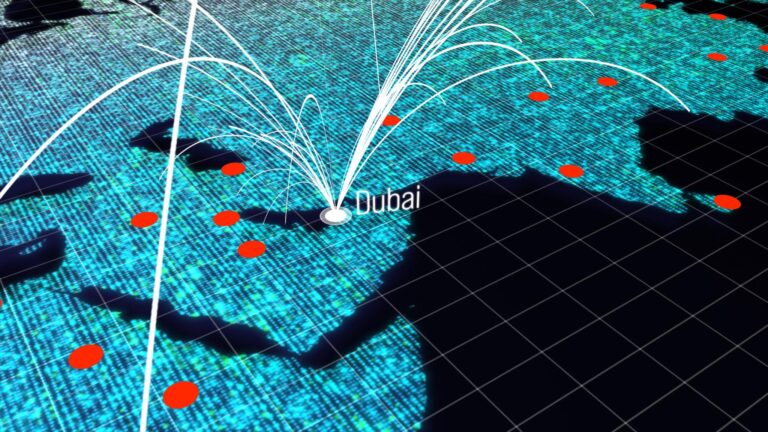
Dubai plays a central role in the UAE’s non-oil trade expansion. The city’s strategic geographic location places it at the crossroads of major international trade routes connecting East and West.
From Dubai, businesses can efficiently access markets across the Middle East, Africa, Europe, and Asia.
The emirate’s world-class ports, airports, and logistics facilities enable companies to move goods quickly and reliably across global markets.
Dubai’s strong connectivity and business-friendly environment make it a preferred location for international trading companies.
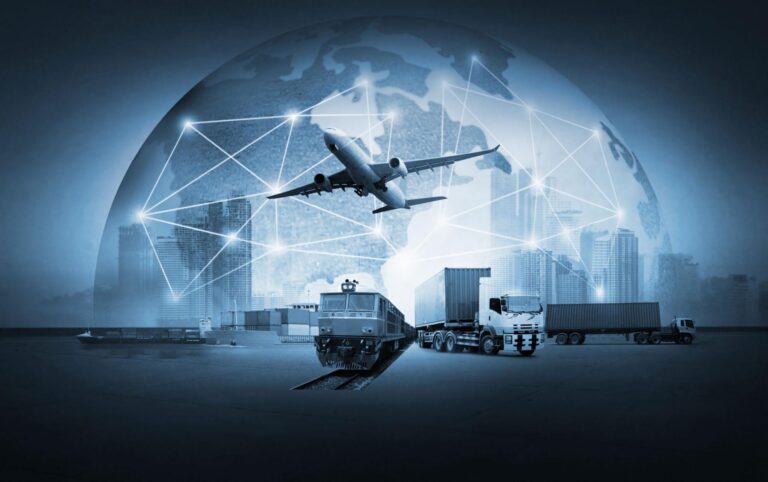
The UAE has invested heavily in modern logistics infrastructure to support international trade activities. Ports, airports, highways, and logistics zones are designed to facilitate efficient movement of goods.
Jebel Ali Port in Dubai is one of the largest container ports in the world and serves as a major gateway for international shipping.
Dubai’s aviation sector also plays an important role in global trade, with cargo operations connecting the UAE to hundreds of international destinations.
This integrated logistics network enables businesses to manage supply chains efficiently and expand their global trade operations.
Re-export trade is a significant contributor to the UAE’s non-oil trade expansion. In this model, goods are imported into the UAE and then exported to other markets without major transformation.
Dubai’s advanced logistics systems make it an ideal hub for regional distribution and re-export activities.
Businesses import products from manufacturing centers around the world and distribute them to markets across the Middle East, Africa, and South Asia.
This efficient trade model strengthens Dubai’s role as a global distribution center.
The UAE’s free zones play a major role in attracting international businesses and supporting trade expansion. These zones provide companies with favorable operating conditions, including streamlined licensing procedures and efficient customs processes.
Free zones are designed to support industries such as logistics, technology, manufacturing, and international trading.
Many global companies establish regional headquarters in these zones to manage operations across multiple markets.
This ecosystem continues to attract new businesses and drive non-oil trade growth.
The UAE has strengthened its global trade network through strategic trade agreements with various countries and economic regions.
These agreements promote economic cooperation, reduce trade barriers, and encourage cross-border investment.
Improved market access allows businesses operating in the UAE to export goods and services to international markets more efficiently.
These partnerships play a key role in expanding the country’s global trade footprint.
Technology has become an essential component of the UAE’s modern trade ecosystem. Digital platforms simplify trade documentation, customs clearance, and logistics coordination.
Smart trade systems allow businesses to complete many administrative processes online, improving efficiency and reducing processing times.
Digital transformation initiatives support the growth of e-commerce, fintech, and digital supply chain management.
These innovations help businesses operate more efficiently in international markets.
The expansion of e-commerce has further strengthened the UAE’s non-oil trade ecosystem. Online retail platforms allow businesses to sell products directly to customers across regional and global markets.
Dubai’s advanced logistics and fulfillment infrastructure supports efficient e-commerce distribution.
Companies can store inventory in the UAE and deliver products quickly to customers across multiple countries.
This digital commerce environment continues to create new opportunities for traders and entrepreneurs.
The UAE government actively promotes trade growth through policies that encourage innovation, investment, and international cooperation.
Economic initiatives focus on strengthening sectors such as technology, logistics, renewable energy, and advanced manufacturing.
Regulatory frameworks are designed to support entrepreneurship and attract global businesses to operate within the UAE.
These policies contribute to the country’s reputation as one of the world’s most attractive destinations for international commerce.
Innovation and technology are key drivers of the UAE’s non-oil trade expansion. The country is investing heavily in artificial intelligence, digital infrastructure, and smart logistics systems.
Advanced technologies help businesses optimize supply chains, improve operational efficiency, and expand global trade networks.
Dubai’s commitment to technological innovation strengthens its role as a future-focused trade hub.
These developments support long-term economic growth and international competitiveness.
The future of non-oil trade in the UAE looks exceptionally promising. Continued investment in infrastructure, technology, and global partnerships will further strengthen the country’s trade ecosystem.
As international commerce evolves, the UAE is well positioned to remain a leading global trading nation.
Dubai’s strong connectivity, advanced logistics infrastructure, and supportive business environment will continue to attract international companies.
These factors ensure that the UAE remains at the forefront of global trade and economic innovation.
The expansion of non-oil trade demonstrates the success of the UAE’s long-term economic diversification strategy. By investing in infrastructure, strengthening international partnerships, and supporting innovation, the country has built a dynamic and resilient trade ecosystem.
Dubai’s role as a global trade hub continues to grow, enabling businesses to access international markets efficiently.
With strong government support, advanced logistics infrastructure, and a forward-looking economic vision, the UAE is well positioned to lead global commerce in the years ahead.
As non-oil trade continues to expand, the UAE will remain a powerful gateway connecting businesses and markets around the world.
The United Arab Emirates has firmly established itself as one of the world’s most influential…
Dubai has established itself as one of the most influential trade centers in the world,…
The United Arab Emirates has achieved a historic milestone as its non-oil trade surpasses the…