March 18, 2026
Trade Opportunities in GCC Markets
The Gulf Cooperation Council (GCC) region has emerged as one of the most dynamic and…
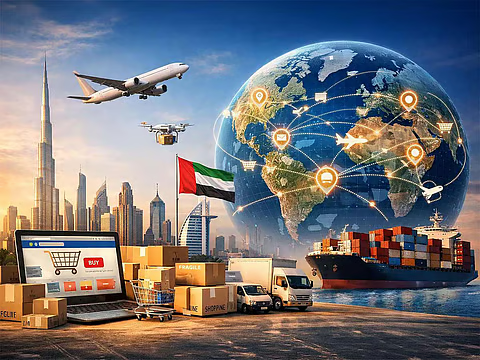
The United Arab Emirates has rapidly emerged as one of the leading digital commerce markets in the Middle East. With a highly connected population, advanced logistics infrastructure, and strong government support for digital transformation, the country has created an ideal environment for online retail expansion. One of the most notable developments in recent years is the rapid growth of cross-border e-commerce.
Cross-border e-commerce refers to online purchases where consumers buy products from international retailers located in other countries. In the UAE, this model has become extremely popular as shoppers increasingly seek access to global brands, competitive pricing, and a wider variety of products.
The UAE’s strong logistics networks, modern payment systems, and high internet penetration rates have made it easier for consumers to purchase goods from overseas sellers. At the same time, businesses operating in the UAE are using cross-border e-commerce to reach customers across the Middle East, Africa, and other international markets.
This article explores the growth of cross-border e-commerce in the UAE, the factors driving its expansion, and the opportunities it creates for businesses and consumers.
The UAE has one of the most developed e-commerce markets in the Middle East. Rapid digital adoption, high smartphone usage, and widespread internet connectivity have played a significant role in the expansion of online retail.
In recent years, the UAE e-commerce market has grown significantly and is expected to continue expanding. Estimates suggest that the market could reach more than USD 20 billion by 2030 as digital commerce adoption accelerates across industries. :contentReference[oaicite:0]{index=0}
Dubai, in particular, has become a regional hub for online retail and digital trade. Businesses operating from the emirate benefit from strong logistics infrastructure, international connectivity, and a highly tech-savvy consumer base.
The rapid growth of e-commerce has also encouraged international retailers to enter the UAE market, further expanding cross-border shopping opportunities.
One of the key drivers of cross-border e-commerce growth in the UAE is consumer demand for international brands and products. Many UAE shoppers prefer purchasing items directly from global retailers, especially when certain products are not available locally.
Studies show that approximately 58% of online purchases in the UAE come from overseas sellers, highlighting the strong demand for international e-commerce platforms. :contentReference[oaicite:1]{index=1}
This trend is particularly visible in product categories such as fashion, electronics, beauty products, and specialty goods. International online stores provide consumers with greater variety and access to global brands that may not have physical stores in the region.
As shipping networks become more efficient, cross-border purchases are becoming increasingly convenient and affordable for consumers.
The UAE’s world-class logistics infrastructure plays a major role in supporting cross-border e-commerce. Modern ports, airports, and distribution centers enable efficient movement of goods across international supply chains.
Dubai’s logistics ecosystem allows products purchased from overseas retailers to be delivered quickly to customers across the country. International courier services and regional fulfillment centers ensure that shipments can reach customers within a few days.
Efficient logistics operations are essential for cross-border e-commerce because they reduce delivery times and improve the overall customer experience.
The UAE’s strong position as a global trade hub makes it an ideal gateway for international e-commerce shipments entering the Middle East region.
The expansion of digital payment systems has also accelerated the growth of cross-border e-commerce in the UAE. Consumers can now make international purchases using credit cards, digital wallets, and other secure online payment methods.
These payment technologies provide convenient and secure transaction processes for both buyers and sellers. Digital wallets and online payment gateways have significantly improved consumer confidence in international online shopping.
Advanced payment technologies also enable businesses to accept payments from customers across different countries and currencies.
This financial infrastructure plays a crucial role in enabling seamless cross-border transactions.
Mobile devices are playing a central role in the growth of cross-border e-commerce in the UAE. A large majority of online purchases are now made through smartphones and mobile applications.
Recent studies indicate that smartphones account for more than 78% of e-commerce activity in the UAE, highlighting the importance of mobile commerce in the digital economy. :contentReference[oaicite:2]{index=2}
Mobile apps and responsive websites allow consumers to browse international stores, compare prices, and place orders conveniently from anywhere.
This accessibility has significantly increased the frequency of online purchases and expanded cross-border shopping opportunities.
International e-commerce platforms have played a major role in accelerating cross-border online trade in the UAE. Global marketplaces provide consumers with access to millions of products from sellers around the world.
These platforms often offer competitive pricing, customer reviews, and secure payment systems, making them attractive options for online shoppers.
At the same time, many regional platforms have also expanded their cross-border capabilities, allowing sellers from different countries to reach UAE consumers.
This marketplace model connects global suppliers with local buyers through efficient digital platforms.
The UAE government has introduced several initiatives to promote digital commerce and support the growth of e-commerce businesses. National digital transformation strategies aim to strengthen the country’s position as a leading technology-driven economy.
Government policies encourage innovation in fintech, logistics, and digital trade systems that support online commerce.
Digital trade platforms have also simplified customs processes and reduced paperwork for cross-border transactions. For example, the Dubai Trade platform has processed hundreds of millions of digital trade transactions, helping streamline international trade procedures. :contentReference[oaicite:3]{index=3}
These initiatives make it easier for businesses to operate online and reach international markets.
Cross-border e-commerce has created significant opportunities for small and medium-sized enterprises in the UAE. Businesses can now sell products globally without the need for physical stores in foreign markets.
Online marketplaces and digital marketing platforms allow SMEs to promote their products to international customers.
This digital trade model lowers barriers to market entry and enables businesses to expand beyond domestic markets.
Entrepreneurs in sectors such as fashion, electronics, specialty foods, and handmade goods are particularly benefiting from cross-border online sales.
Despite its rapid growth, cross-border e-commerce also presents certain challenges. Businesses must navigate international shipping regulations, customs procedures, and varying tax requirements.
Delivery times and shipping costs can also affect customer satisfaction, especially when products are shipped from distant countries.
Additionally, companies must ensure compliance with consumer protection laws and international trade regulations.
Addressing these challenges requires efficient logistics strategies and strong partnerships with international shipping providers.
The future of cross-border e-commerce in the UAE appears highly promising. As digital infrastructure continues to improve and logistics networks become more efficient, international online shopping is expected to grow even further.
The broader Middle East cross-border e-commerce market is projected to expand rapidly, with growth rates exceeding 30% annually in some segments of the digital trade sector. :contentReference[oaicite:4]{index=4}
Advances in payment technologies, artificial intelligence, and logistics automation will further enhance the efficiency of international online retail.
Businesses that invest in digital platforms, supply chain optimization, and international marketing strategies will be well positioned to benefit from this expanding global market.
The growth of cross-border e-commerce in the UAE reflects the country’s broader transformation into a digitally connected global trade hub. With strong logistics infrastructure, advanced payment systems, and high consumer demand for international products, the UAE provides an ideal environment for global online retail.
Consumers benefit from access to a wide range of international products, while businesses gain opportunities to expand into new global markets.
As technology continues to reshape global commerce, cross-border e-commerce will remain one of the most dynamic and rapidly expanding sectors in the UAE’s digital economy.
The Gulf Cooperation Council (GCC) region has emerged as one of the most dynamic and…

The United Arab Emirates continues to strengthen its position as one of the world’s leading…
The United Arab Emirates has established itself as one of the most influential global trading…