March 18, 2026
Trade Opportunities in GCC Markets
The Gulf Cooperation Council (GCC) region has emerged as one of the most dynamic and…
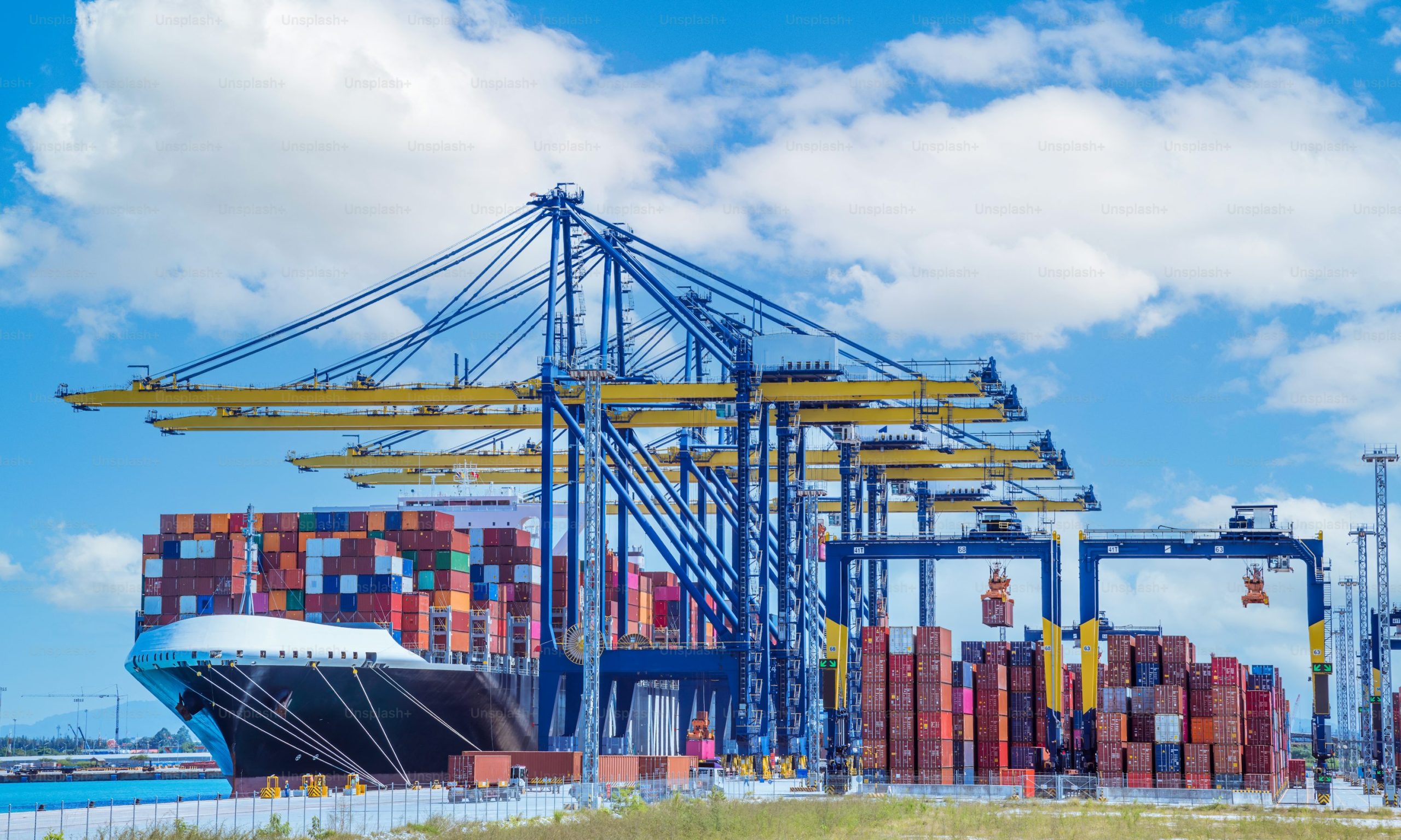
Dubai has established itself as one of the world’s most important re-export hubs, connecting global markets across Asia, Europe, Africa, and the Middle East. Businesses import goods into Dubai and then distribute them to other regional and international markets through highly efficient logistics networks.
The re-export model has become a key component of Dubai’s global trade success. Companies benefit from advanced ports, free zones, and streamlined customs procedures that support international distribution.
Understanding the documentation required for re-export operations is essential for businesses seeking to manage efficient trade processes in Dubai.
Re-export refers to the process of importing goods into a country and then exporting them again to another destination without significant modification. Dubai’s strategic location and advanced logistics infrastructure make it an ideal center for re-export operations.
Many international companies use Dubai as a regional distribution hub, allowing them to supply products to markets across the Middle East, Africa, and South Asia.
This trade model enables businesses to optimize supply chains and improve global distribution efficiency.
Accurate documentation plays a critical role in re-export operations. Customs authorities require specific documents to verify shipments and ensure compliance with trade regulations.
Proper documentation helps facilitate smooth customs clearance, reduce delays, and maintain transparency in international trade operations.
Businesses involved in re-export activities must ensure that all required documents are prepared accurately before shipment.
The commercial invoice is one of the most important documents in re-export transactions. It provides detailed information about the goods being shipped, including product descriptions, quantities, and values.
Customs authorities use this document to verify the value of goods and assess applicable duties or regulatory requirements.
Ensuring that commercial invoices contain accurate and complete information helps prevent delays during customs processing.
The packing list provides detailed information about the physical contents of the shipment. This document includes details such as the number of packages, weight of goods, and packaging specifications.
Customs authorities and logistics providers use the packing list to verify cargo during inspection and transportation.
Accurate packing lists support efficient cargo handling and shipment tracking.
The bill of lading (for sea shipments) or airway bill (for air cargo) serves as a transportation document issued by the carrier. It confirms that goods have been received for shipment and outlines the terms of transport.
This document includes information about the shipper, consignee, cargo description, and transportation route.
It is essential for tracking shipments and facilitating cargo delivery at the destination.
The certificate of origin identifies the country where the goods were originally manufactured. This document may be required by customs authorities in the destination country.
It helps determine applicable trade regulations and tariffs for the shipment.
Obtaining an accurate certificate of origin ensures compliance with international trade requirements.
An export declaration is submitted to customs authorities when goods are exported from Dubai to another country. This declaration includes detailed information about the shipment, such as product value, destination, and export purpose.
Electronic declaration systems allow businesses to submit these documents through digital customs platforms.
These systems improve efficiency and transparency in export procedures.
Dubai’s free zones provide an ideal environment for companies engaged in re-export trade. Businesses operating within free zones can import goods, store them in warehouses, and re-export them to international markets.
Free zones offer modern infrastructure, strong logistics connectivity, and streamlined regulatory procedures.
These advantages attract multinational companies involved in global distribution operations.
Digital trade platforms and logistics technologies have improved the efficiency of re-export operations. Businesses can track shipments, manage documentation, and monitor supply chains through advanced digital systems.
Automated customs systems help streamline clearance procedures and reduce administrative delays.
These innovations strengthen Dubai’s position as a global trade and logistics hub.
Dubai continues to invest in logistics infrastructure, digital trade platforms, and global trade partnerships that support re-export activities.
As international commerce continues to expand, the demand for efficient distribution hubs like Dubai will continue to grow.
The emirate’s strategic vision ensures that it will remain one of the world’s leading re-export centers.
Re-export trade plays a vital role in Dubai’s global commerce ecosystem. Businesses operating in the emirate benefit from strong logistics infrastructure, efficient customs procedures, and global connectivity.
By understanding the documentation requirements involved in re-export operations, companies can ensure smooth trade processes and efficient supply chain management.
Dubai’s commitment to innovation and trade facilitation continues to strengthen its position as a leading international distribution hub.
The Gulf Cooperation Council (GCC) region has emerged as one of the most dynamic and…

The United Arab Emirates continues to strengthen its position as one of the world’s leading…
The United Arab Emirates has established itself as one of the most influential global trading…