March 18, 2026
Trade Opportunities in GCC Markets
The Gulf Cooperation Council (GCC) region has emerged as one of the most dynamic and…
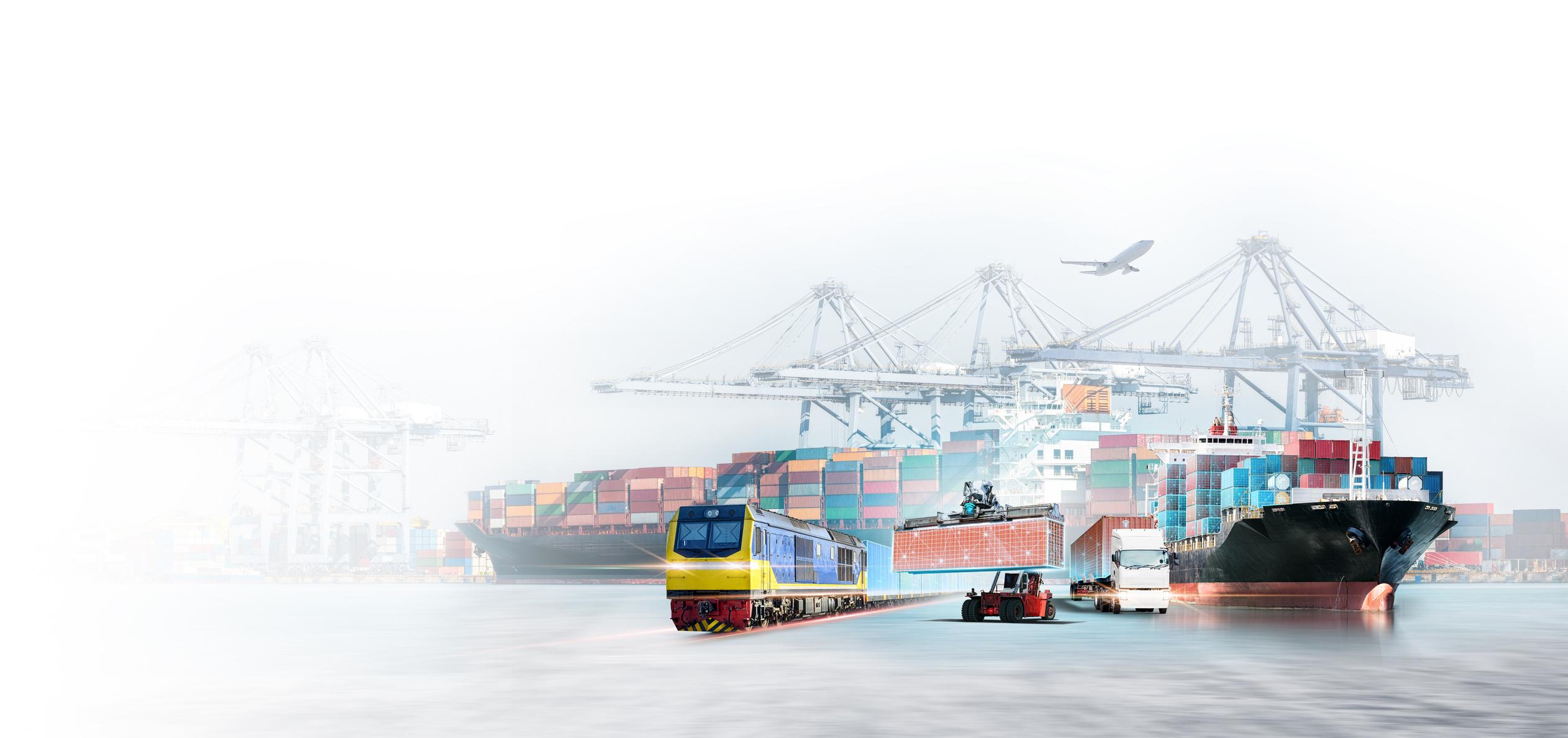
Dubai has become one of the world’s leading trade hubs, connecting global markets across Asia, Europe, and Africa. The emirate’s advanced logistics infrastructure and efficient customs systems allow businesses to import goods smoothly and distribute them across regional markets.
Understanding customs procedures is essential for companies that import products into Dubai. The customs framework is designed to facilitate international trade while ensuring that goods entering the country comply with regulatory standards.
Businesses that follow proper import procedures can benefit from Dubai’s efficient trade ecosystem and strong global connectivity.
Dubai Customs is the authority responsible for regulating the movement of goods entering and leaving the emirate. The organization ensures compliance with import regulations while maintaining efficient trade processes.
Dubai Customs has implemented advanced digital platforms that allow businesses to submit documentation electronically and track shipments in real time.
These systems help streamline customs clearance and reduce administrative delays.
Businesses importing goods into Dubai must hold a valid trade license issued by the relevant licensing authority. The trade license identifies the nature of the company’s commercial activities and allows it to conduct import operations.
Importers must also register with Dubai Customs to obtain an importer code that enables them to process customs declarations.
This registration ensures that businesses can legally import goods into the emirate.
Several documents are required when importing goods into Dubai. Accurate documentation helps customs authorities verify shipments and ensure compliance with regulations.
Commonly required documents include:
Maintaining accurate documentation allows businesses to complete customs procedures efficiently.
Importers must submit a customs declaration through Dubai Customs’ digital systems. This declaration includes detailed information about the shipment, such as product descriptions, quantities, and values.
Once the declaration is submitted, customs authorities review the documentation and determine whether the shipment requires inspection.
Electronic declaration systems help speed up the clearance process and improve transparency.
Imported goods entering Dubai may be subject to customs duties depending on the product category. A standard duty rate applies to many imported products, although certain goods may be exempt or subject to special regulations.
Importers must ensure that applicable duties and fees are paid before the shipment can be released.
Understanding duty structures helps businesses manage import costs effectively.
Some shipments may undergo inspection to ensure that goods comply with UAE product standards and safety regulations.
Inspections may involve verifying product documentation, checking labeling requirements, and confirming that goods meet regulatory standards.
Compliance with these procedures ensures that imported products are safe for distribution within the market.
Dubai’s free zones provide businesses with flexible import options. Companies operating within free zones can import goods for storage, processing, or re-export to international markets.
Free zones offer efficient logistics infrastructure and simplified operational procedures that support international trade activities.
Many global trading companies use Dubai’s free zones as regional distribution centers.
Dubai has invested heavily in digital technologies that improve customs procedures. Automated systems allow businesses to submit documents electronically, monitor shipment status, and complete clearance procedures more efficiently.
Real-time cargo tracking and digital documentation systems help reduce delays and improve supply chain visibility.
These innovations strengthen Dubai’s reputation as a modern global trade hub.
Dubai continues to enhance its customs systems and logistics infrastructure to support growing international trade volumes. Investments in digital platforms, smart ports, and advanced cargo handling systems will further improve the efficiency of import procedures.
As global trade expands, Dubai’s efficient customs framework will continue to support businesses seeking access to regional markets.
Understanding customs procedures is essential for businesses importing goods into Dubai. By following the required documentation, licensing, and declaration processes, companies can ensure smooth customs clearance and efficient trade operations.
Dubai’s modern customs systems, strong logistics infrastructure, and digital trade platforms provide businesses with an ideal environment for international commerce.
Companies that leverage these systems can successfully manage their import operations and expand their presence in regional markets.
The Gulf Cooperation Council (GCC) region has emerged as one of the most dynamic and…

The United Arab Emirates continues to strengthen its position as one of the world’s leading…
The United Arab Emirates has established itself as one of the most influential global trading…