March 18, 2026
Trade Opportunities in GCC Markets
The Gulf Cooperation Council (GCC) region has emerged as one of the most dynamic and…
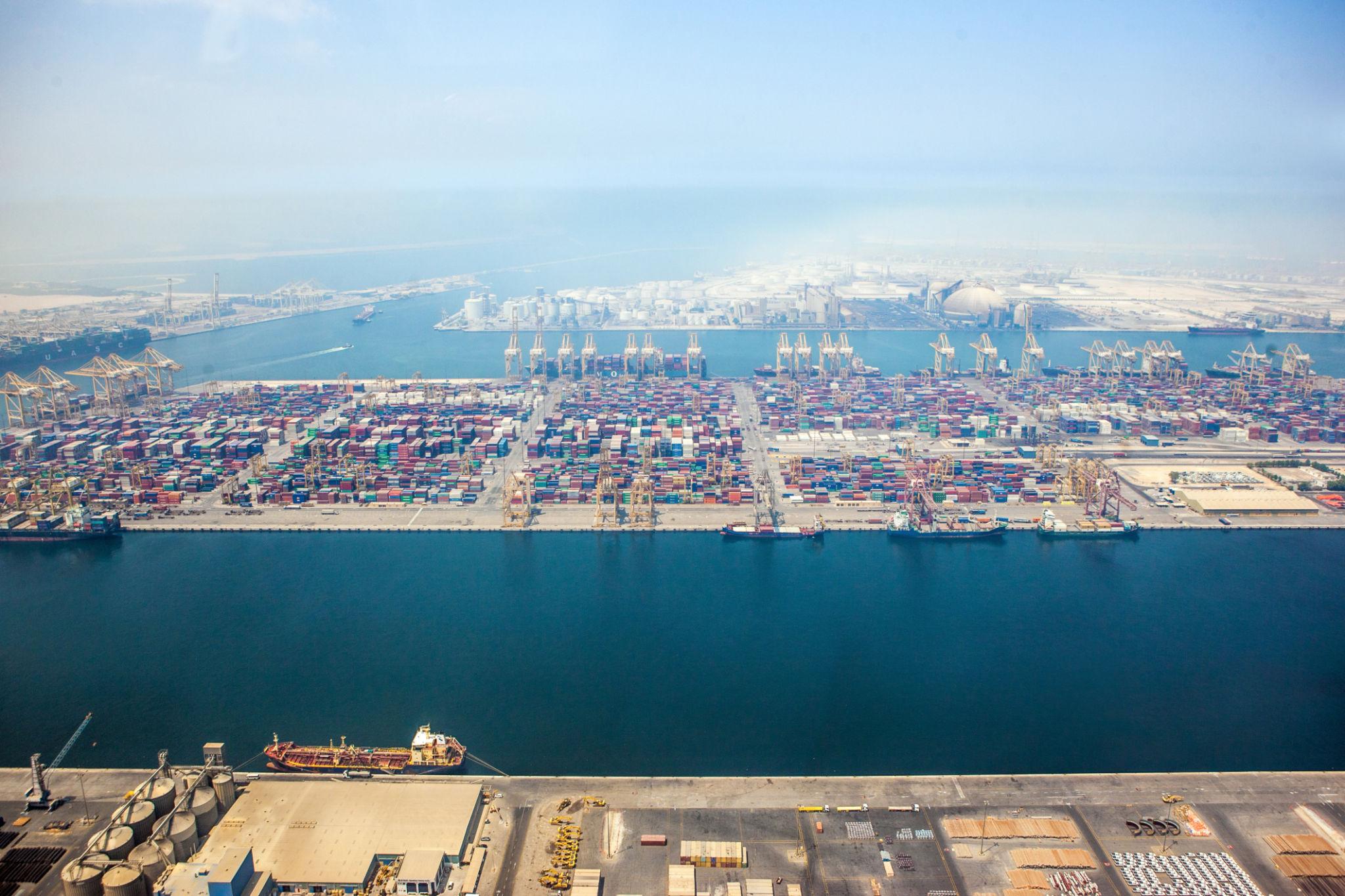
Dubai has established itself as one of the most important global trade hubs, connecting businesses and markets across Asia, Europe, and Africa. The emirate’s strong logistics infrastructure, advanced ports, and efficient customs systems have created a highly favorable environment for international trade.
Importing goods into Dubai is an important component of the UAE’s dynamic economy. Companies from around the world use Dubai as a gateway to distribute products across the Middle East, Africa, and surrounding regions. To ensure smooth trade operations, businesses must understand the import regulations and procedures established by UAE authorities.
Dubai’s regulatory framework is designed to facilitate efficient trade while maintaining high standards for safety, quality, and compliance.
The import process in Dubai involves several steps that ensure goods entering the country comply with local regulations. Businesses must follow procedures related to documentation, customs clearance, and product standards.
Importers are typically required to register their businesses and obtain the necessary trade licenses before engaging in import activities.
Working with experienced logistics providers and customs brokers can help companies navigate the import process efficiently.
Companies involved in importing goods into Dubai must obtain a valid trade license from the relevant licensing authority. This license identifies the nature of the business and authorizes companies to conduct import activities.
Businesses may operate under different types of licenses depending on their activities, including trading, commercial, or industrial licenses.
Ensuring that the appropriate license is in place is one of the first steps toward compliance with import regulations.
Proper documentation is essential for importing goods into Dubai. Customs authorities require specific documents to verify shipments and ensure compliance with regulations.
Commonly required documents include:
Maintaining accurate documentation helps ensure that shipments move smoothly through customs clearance procedures.
Dubai Customs manages the clearance of imported goods entering the emirate. Importers must submit the required documentation and declare shipment details through the customs system.
Dubai has implemented advanced digital platforms that allow businesses to process customs declarations electronically. These systems help streamline the clearance process and reduce processing times.
Efficient customs procedures are one of the reasons why Dubai is considered a leading global trade hub.
Imported goods entering the UAE may be subject to customs duties depending on the product category. In many cases, a standard customs duty rate applies to imported goods.
Businesses should also be aware of other applicable charges related to logistics, transportation, and regulatory compliance.
Understanding duty structures helps companies plan their import costs and pricing strategies.
Imported goods must comply with UAE product standards and safety regulations. Certain products may require certification or approval from relevant regulatory authorities before they can be distributed in the local market.
Product categories such as food, cosmetics, electronics, and medical devices often require additional approvals or quality inspections.
Compliance with these standards ensures that imported products meet safety and quality requirements.
Dubai’s free zones play a major role in facilitating international trade. Businesses operating within free zones benefit from advanced infrastructure and efficient logistics networks.
Companies may import goods into free zones for storage, processing, or re-export to international markets.
Free zones provide an ideal environment for companies engaged in global trading activities.
Dubai’s logistics ecosystem supports efficient import operations through integrated transportation networks. The emirate’s ports, airports, and logistics parks enable companies to move goods quickly and efficiently.
Jebel Ali Port, one of the largest container ports in the world, plays a central role in handling imported cargo entering Dubai.
The city’s advanced infrastructure allows businesses to manage complex supply chains and distribute goods across regional markets.
Technology continues to improve the efficiency of import procedures in Dubai. Digital trade platforms, automated customs systems, and logistics tracking technologies allow businesses to monitor shipments and manage documentation more effectively.
These innovations help reduce delays and enhance transparency across supply chain operations.
Dubai’s commitment to digital transformation continues to strengthen its position as a global trade center.
Dubai continues to invest in infrastructure and trade facilitation initiatives that support international commerce. The emirate’s strategic vision focuses on enhancing logistics capabilities, expanding port capacity, and adopting advanced technologies.
As global trade continues to grow, Dubai’s role as a gateway for imports into the Middle East and surrounding regions will become even more significant.
Import regulations in Dubai are designed to ensure efficient trade operations while maintaining high standards for product safety and compliance. Businesses that understand the regulatory framework and follow proper procedures can benefit from Dubai’s highly developed trade environment.
With world-class infrastructure, efficient customs systems, and strong global connectivity, Dubai remains one of the most attractive destinations for international trade.
Companies that leverage Dubai’s logistics capabilities and regulatory support can successfully expand their import operations and access new markets across the region.
The Gulf Cooperation Council (GCC) region has emerged as one of the most dynamic and…

The United Arab Emirates continues to strengthen its position as one of the world’s leading…

The United Arab Emirates continues to strengthen its position as one of the most dynamic…